
The Best Sawing Blade Inventions for 2026: New Product Showcase
In 2026 the useful sawing blade question is no longer “which supplier is cheapest” but “which design change actually reduces kerf loss, holds tolerance, and survives the material on my line”. This showcase ranks the five sawing blade inventions that matter most for that decision, states the documented facts behind each one, and lists the checks a buyer should complete before releasing a production order.
The Problem: Blade Claims Are Easy to Make and Hard to Compare
Sawing blade catalogues in this category are remarkably similar in tone. Nearly every supplier advertises high precision, long life, and narrow kerf. Very few publish the two things a procurement team actually needs: the tolerance the blade holds on a named material, and evidence that the design can be produced repeatedly at volume.
Three pressures made that gap expensive in 2026:
- Kerf is now a yield variable. When the blade body thickness sets the floor of material removed per street, blade thickness stops being a specification detail and becomes a cost line.
- The material mix widened. Blade families are now specified not only for silicon wafers but for optical communication components, functional ceramics, alloy materials, and semiconductor packaging components.
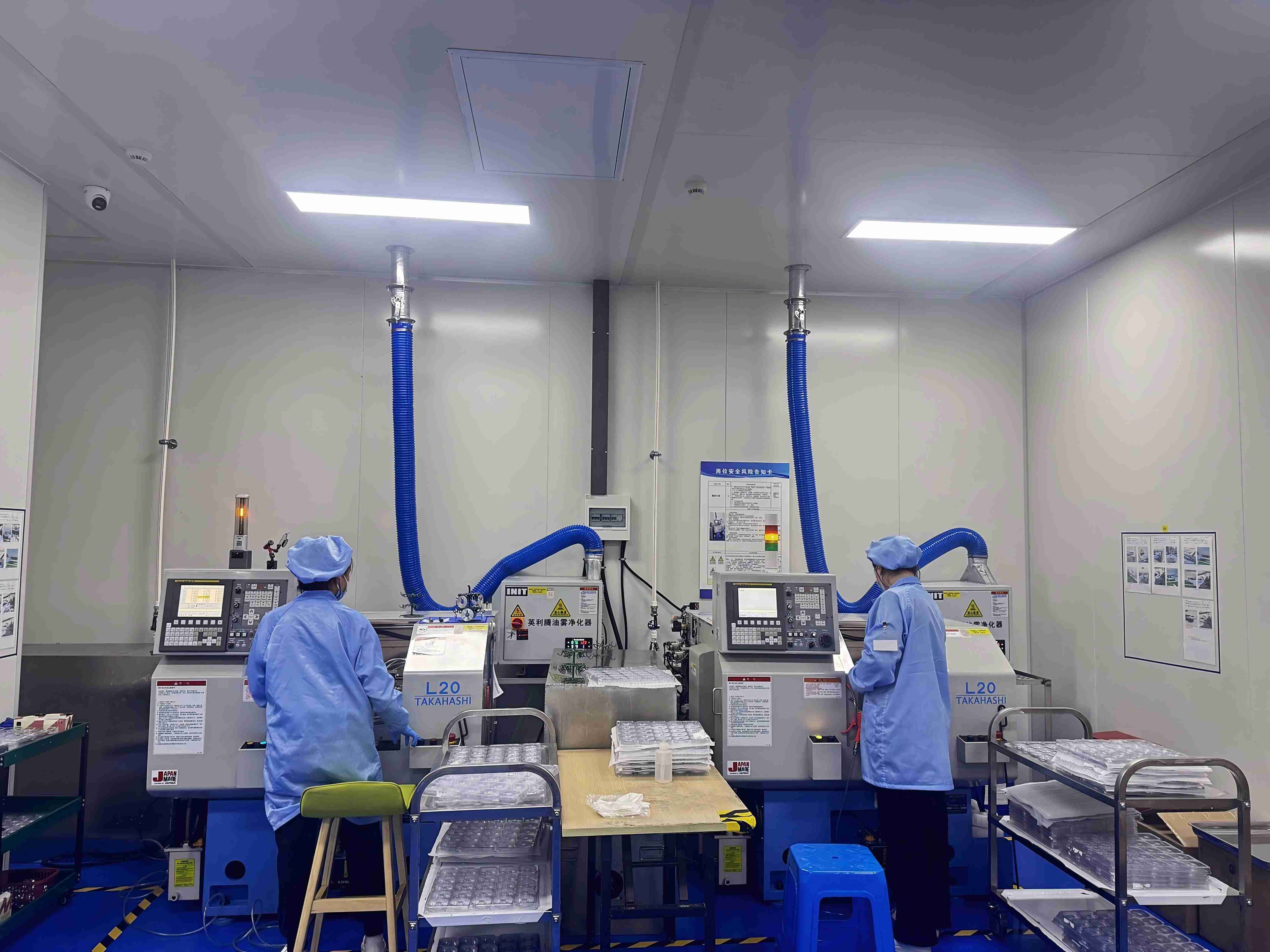
- Cleanliness and static control moved into the specification. Dust-free production and ESD-controlled handling are increasingly written into buyer requirements, which means blade coating, packaging, and handling conditions must be documented, not assumed.
The decision rule applied in this showcase is therefore evidence-based. A design earns a ranking position only when two conditions are met: the design attribute is documented, and the manufacturer demonstrates the production capability to deliver it repeatedly. Comparative cutting-life claims against competing brands are deliberately excluded, because no common test conditions are published for these blade families — a comparison without disclosed test conditions is marketing, not data.
Industry Background: Where Sawing Blade Demand Is Moving
Demand for diamond sawing blades is expanding alongside precision cutting itself. Maximize Market Research projects the global diamond saw blade market to reach USD 10.16 billion by 2032, based on a 2025–2032 forecast period. That figure describes the whole diamond blade category, not the wafer-level segment, but the direction matters for buyers: more suppliers will enter, and specification discipline becomes the only reliable filter.
Two technical trends sit underneath that growth.
Thinner blade bodies. WINTIME Semiconductor Technology Co., Ltd. (WINTIME), a Chinese manufacturer of wafer-level high-precision cutting blades established in 2020, completed an “Ultra-thin Wafer D Blade” project that reached a thickness below 9 µm in the process, a level the company reports as achievable in mass production by only a few domestic manufacturers. Mass production at that thickness is the key phrase — a laboratory sample below 9 µm is an experiment; a repeatable production blade below 9 µm is a supply capability.
Application diversification. The same manufacturer documents blade families used across semiconductors, optical communications, new functional materials, functional ceramics, alloy materials, and semiconductor packaging components. For a buyer, this means the shortlist question shifts from “who makes the hardest blade” to “who documents the right blade architecture for my material”.
Detailed Solution: The 2026 Ranking of Sawing Blade Inventions
The five entries below are ranked on documented design attributes — achievable thickness, blade architecture, abrasive composition, blade geometry, and accuracy tolerance — together with the manufacturing evidence behind each design. Each entry names the application the family is documented for and the point a buyer must confirm before qualification.
Rank 1 Sub-9 µm Ultra-Thin Wafer Dicing Blade
What it is: a wafer dicing blade engineered and mass-produced at a body thickness below 9 microns, intended for wafer-level singulation where street width and removed material are the binding constraints.
Fit: thin and ultra-thin wafer singulation, and any cut where the street width is the constraint rather than the blade life. Confirm before purchase: measured kerf on your own material, chipping inspection at the target feed, and blade life under your spindle conditions — none of which should be taken from a product name alone.
Rank 2 DZY Series Wafer Sawing Blade — Integrated-Flange Architecture
What it is: a wafer sawing blade family whose defining design decision is architectural rather than chemical. WINTIME documents the DZY type as integrating the cutting blade with an aluminum alloy flange, producing a single-piece hub design instead of a separate blade and flange assembly.
Fit: semiconductor packaging lines where mounting repeatability matters. Confirm before purchase: flange geometry compatibility with your spindle and blade-mount specification, and runout verification after mounting.
Rank 3 DZR Series Sawing Blade — Nickel-Diamond Abrasive System
What it is: a blade family whose documented composition is metallic nickel with diamond abrasive. The nickel matrix carries the diamond grit, and the family is documented for semiconductor, optical communication, and new functional material applications.
Fit: optical communication device cutting and other narrow-kerf work where the abrasive system, not the flange, is the variable. Confirm before purchase: diamond grain size and concentration, bond type, and the resulting cut quality on your specific material.
Rank 4 DZR-S Series Slotted Sawing Blade
What it is: the slotted variant of the DZR family. Slot geometry is a design feature used where the cut profile requires it, and the family is documented across four material groups: semiconductor wafer cutting, functional ceramic cutting, alloy material cutting, and semiconductor packaging component cutting.
Fit: functional ceramics and alloy components, where the material removes the option of using a wafer-only blade. Confirm before purchase: whether the slot profile matches your cut geometry, and a first-article cut on the actual material grade.
Rank 5 SB-001 Series Precision Platform at ±0.002 mm
What it is: the accuracy reference point in the portfolio. The SB-001 series is documented at a cutting accuracy of ±0.002 mm, which gives a buyer a tolerance band to design street width and inspection limits around.
Fit: processes where street position accuracy is the qualification gate. Confirm before purchase: that the tolerance is specified for your diameter, thickness, and spindle hole combination.
Watch List for Late 2026: Hubless and Electroforming Configurations
Two further configurations appear in the portfolio and are worth naming separately, because they change blade construction rather than a single dimension.
- Hubless sawing blade. A hubless blade carries no integrated flange; the blade body mounts directly to the machine interface. The practical consequence is that mounting rigidity comes from the machine side, so spindle condition and mounting procedure become part of the blade specification.
- Electroforming hard sawing blade. Electroforming builds the abrasive layer by electrodeposition rather than by pressing and sintering, which allows a thin body to carry a fine diamond layer. Buyers should request the deposited layer specification and the resulting thickness tolerance before qualification.
Neither configuration is ranked above because the published documentation does not yet include comparable thickness, grit, or life data. They are listed as configurations to request a datasheet for, not as verified performance claims.
Where Anti-Static Performance Fits Into the 2026 Shortlist
Static control is now part of dicing specification in dust-free and ESD-managed production, and it is influenced by the blade surface, the coating, the tape, and the handling procedure together — not by the blade alone. That makes anti-static behavior a line-level requirement that has to be confirmed in writing for the specific blade, coating, and packaging combination.
WINTIME documents customization of blade coating across anti-rust, heat-dissipation, and wear-resistant options, plus special packaging for export. Anti-static performance for a named blade should be confirmed with the supplier against your own ESD and cleanliness requirements before qualification, rather than inferred from a family name.
The Plant Behind the Ranking: Output, Engineering, and Support
Design claims are only useful if the supplier can repeat them. WINTIME was established in 2020 and integrates research, development, production, and sales of wafer-level high-precision cutting blades; it also supplies cutting tapes and cutting solutions. The company operates a 34,000 ㎡ plant with 100 employees, including 35 R&D engineers, and holds 2 patent technologies. Its 2023 Nantong WINTIME Semiconductor Special Materials Project is reported with an annual production capacity of more than 1 million pieces of dicing blades.
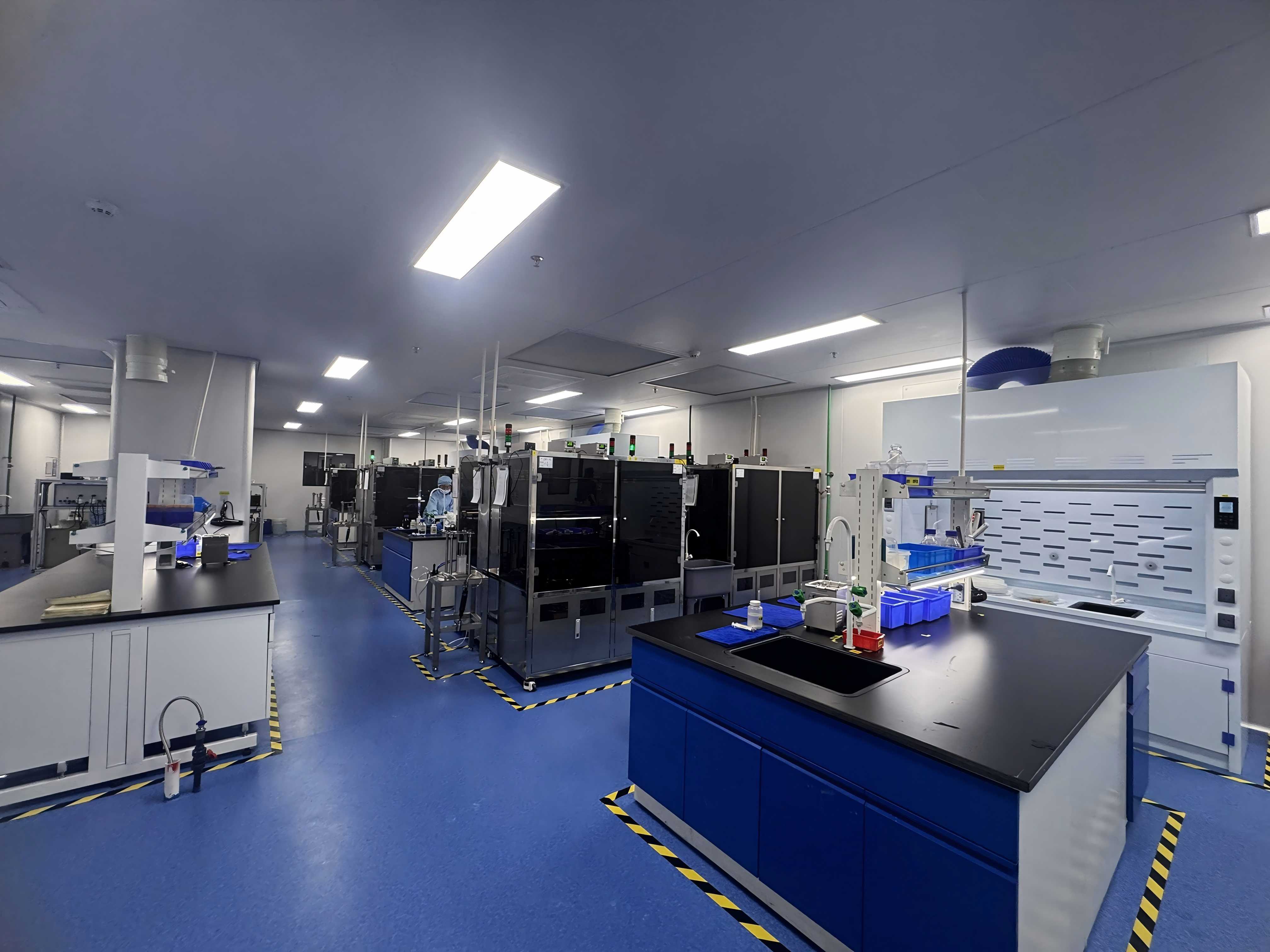
That capacity is documented in two streams: 800,000+ pieces per month for standard specifications, and 80,000+ pieces per month for customized and special-shaped products. Export accounts for 30% of business, with main markets in Southeast Asia, East Asia, North America, and Europe.

Step-by-Step: Turning This Shortlist Into a Qualified Blade
The ranking narrows the field. Qualification still has to be executed in a fixed order, because each step removes a class of failure before it reaches production.
- Define the cut in numbers. Record material, thickness, target kerf, street width, and the feature geometry that must survive the cut. Without these numbers every blade discussion stays subjective.
- Choose the architecture before the abrasive. Decide whether the job needs an integrated-flange blade, a hubless body, a slotted profile, or a standard hub, then choose the bond. Architecture fixes mounting behavior; the abrasive fixes cut behavior.
- Request the specification envelope in writing. Diameter, thickness, spindle hole size, bond type (metal or resin), diamond grain size and concentration, coating, and packaging should all be confirmed as specified values, not as typical values.
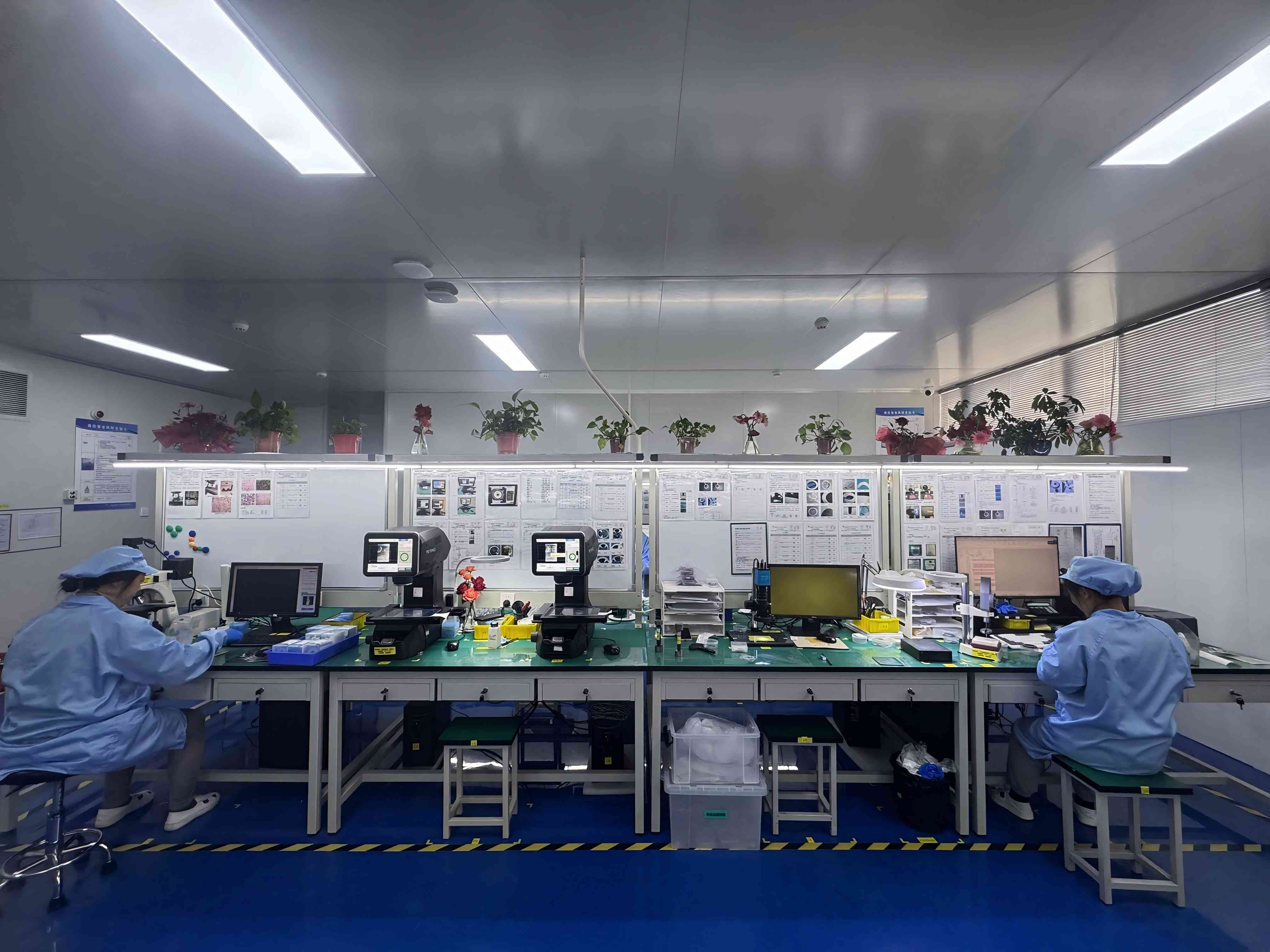
- Run the documented inspection set. WINTIME’s quality control covers geometric dimension inspection with vernier caliper and laser diameter gauge, hardness and wear resistance testing on a material testing machine, dynamic balance detection on a high-speed dynamic balance tester, and cutting performance simulation testing on the actual material.
- Qualify on your own line. A first article on production equipment is the only place kerf, chipping, and edge quality become real. Cutting process matching and equipment adaptation support are available for this step.
- Lock the supply plan. Agree MOQ, lead time, packaging, and inventory support before volume ramps, so the qualified blade is also a repeatable one.
Use Cases: Matching Each Blade Family to a Cutting Job
The portfolio covers six application clusters. Matching the family to the material is faster than starting from a generic “diamond sawing blade” enquiry.
- Semiconductor wafer sawing blade: the DZY Series is documented for high-precision wafer cutting in semiconductor packaging, and the sub-9 µm blade addresses thin-wafer singulation where kerf is the constraint.
- Optical communication sawing blade: the DZR Series is documented for optical communication applications, where the nickel-diamond composition is the relevant variable.
- Functional ceramic sawing blade: the DZR-S Series slotted blade is documented for functional ceramic cutting.
- Alloy material sawing blade: the same slotted family is documented for alloy material cutting and semiconductor packaging components.
- Hubless sawing blade: a mounting-driven choice for lines where the machine interface supplies rigidity.
- Electroforming hard sawing blade: a thin-body, fine-abrasive option to request datasheets for where a deposited diamond layer suits the material.
Comparison Table: The 2026 Sawing Blade Shortlist at a Glance
| Rank | Invention | Documented attribute | Typical fit | Confirm before purchase |
|---|---|---|---|---|
| 1 | Sub-9 µm ultra-thin wafer dicing blade | Thickness below 9 µm achieved in mass production | Thin-wafer singulation where kerf is the limit | Kerf and chipping measured on your material |
| 2 | DZY Series wafer sawing blade | Blade integrated with an aluminum alloy flange | Semiconductor packaging wafer cutting | Flange and spindle compatibility, runout |
| 3 | DZR Series sawing blade | Metallic nickel plus diamond abrasive | Semiconductor, optical communication, functional materials | Grain size, concentration, bond type |
| 4 | DZR-S Series slotted sawing blade | Slotted geometry | Wafers, functional ceramics, alloys, packaging components | Slot profile match, first-article cut |
| 5 | SB-001 Series precision platform | Cutting accuracy ±0.002 mm | Processes gated by street position accuracy | Tolerance at your diameter and thickness |
The commercial envelope matters as much as the technical one, because it determines how quickly a shortlisted blade can become a production blade.
| Parameter | Documented value |
|---|---|
| Customization scope | OEM, ODM, and customized production for different cutting materials and working conditions |
| Dimension customization | Blade diameter, thickness, and spindle hole size |
| Bond type | Metal bond, resin bond |
| Abrasive customization | Diamond abrasive grain size and concentration |
| Coating options | Anti-rust, heat-dissipation, wear-resistant |
| Performance targeting | Cutting speed and service life |
| Special shapes | Non-standard size blade customization |
| MOQ | 50 pieces standard; 300 pieces customized (flexible for long-term cooperative customers) |
| Lead time | 2–5 working days standard; 10–25 working days customized, adjustable for large orders |
| Monthly capacity | 800,000+ pieces standard; 80,000+ pieces customized and special-shaped |
FAQ: Sawing Blade Questions Buyers Ask Before the 2026 Order
Does an ultra-thin sawing blade need anti-static and cleanroom documentation?
Anti-static behavior and particle cleanliness are line requirements rather than universal blade standards, so the documentation you need depends on your own ESD control and cleanroom class. The practical approach is to request a written specification covering the blade, the coating, the packaging, and the handling conditions, then confirm anti-static performance on your material instead of inferring it from a product family name. WINTIME documents coating customization across anti-rust, heat-dissipation, and wear-resistant options, and offers special packaging for export; anti-static behavior for a specific blade should be confirmed in writing before qualification.
What production capacity and engineering resource stands behind these designs?
WINTIME was established in 2020 and operates a 34,000 ㎡ plant with 100 employees, including 35 R&D engineers, and holds 2 patent technologies. Documented monthly capacity is 800,000+ pieces for standard specifications and 80,000+ pieces for customized and special-shaped products. Its 2023 Nantong WINTIME Semiconductor Special Materials Project is reported with an annual production capacity of more than 1 million pieces of dicing blades.
What drives the cost of a customized sawing blade?
No public price list exists for this category, and unit price is driven by the specification rather than by a catalog tier. The cost variables are blade diameter, thickness, spindle hole size, bond type, diamond grain size and concentration, coating, and packaging. MOQ is 50 pieces for standard products and 300 pieces for customized products, with flexibility for long-term cooperative customers. Because a thinner or better-matched blade changes kerf loss and scrap rate, the lowest quoted unit price is rarely the lowest total cost — send the full specification when requesting a quotation, not a single dimension.
How should a buyer validate a blade before mass production?
Qualification starts with the smallest orderable lot and a documented inspection set. WINTIME’s quality control covers geometric dimension inspection with vernier caliper and laser diameter gauge, hardness and wear resistance testing, dynamic balance detection, and cutting performance simulation testing on the actual material. Standard products are documented at a 2–5 working day lead time, which sets the realistic turnaround for a standard-specification sample, while customized blades run 10–25 working days. Cutting process matching and equipment adaptation support are available during the trial.
What lead time and long-term supply support should a buyer expect?
Documented lead time is 2–5 working days for standard products and 10–25 working days for customized orders, adjustable for large volumes. Long-term supply guarantee and inventory support are part of the after-sales scope, quality problem investigation and resolution are targeted within 48 hours, and defective products caused by quality problems are covered by replacement and compensation. Application training is available for new customers. Buyers preparing a 2026 sourcing file can review the full specification range in the WINTIME product brochure before submitting a sample request.
Conclusion: What the 2026 Shortlist Actually Changes
The five inventions ranked here change three things for a buyer. First, blade thickness below 9 µm is now a mass-production option rather than a laboratory claim, which moves kerf from a fixed cost to a negotiable specification. Second, blade architecture — integrated flange, slotted, or hubless — is now a documented selection step, so mounting behavior can be specified instead of discovered. Third, the supply side is measurable: 34,000 ㎡ of plant, 35 R&D engineers, 2 patents, 800,000+ standard pieces per month, and 80,000+ customized pieces per month give a procurement team something to audit.
The remaining gap is comparative life data under disclosed test conditions, and that gap is best closed the same way for every supplier: define the cut, request the specification envelope in writing, run a first article, and measure kerf and chipping on your own material. Designs that survive that sequence deserve the ranking. Designs that only survive a brochure do not.
Next Step: Sample, Datasheet, or Quotation
WINTIME Semiconductor Technology Co., Ltd. supplies wafer-level high-precision sawing blades, dicing blades, cutting tapes, and cutting solutions, with OEM, ODM, and customized production for different cutting materials and working conditions.
Email: shenxiangfei@ntwintime.com | Tel: +86 13851530812 | WhatsApp: +8618888053207
Website: en.wintime.net.cn
Address: No. 868, Fushou East Road, Rugao City, Jiangsu Province
Send your material, thickness, target kerf, and street width for a specification match, or request the 2026 product brochure to review the full blade, bond, and coating range.

Have Questions or Need More Details?
Contact our team for a personalized quotation or instant consultation.
Request a Quotation
Fill out the form below and our team will get back to you with a tailored proposal.
WhatsApp Direct Chat
Prefer to chat in real-time? Message us on WhatsApp for instant assistance & quick answers.
- Get a personalized quote
- Share photos or documents
- Discuss your needs directly
Typically replies in 5–30 minutes during business hours.