
Semiconductor Sawing Blade Export: Taiwan Compliance Docs
Answer first: A Taiwan-bound sawing blade shipment should be documented as a precision semiconductor tool, not as generic hardware. The practical file should connect one product identity across the commercial invoice, packing list, transport document, origin declaration, technical datasheet, end-use and end-user statement, export-control screening note, and any material or non-hazardous declaration requested by the importer or customs broker. Taiwan is a semiconductor manufacturing and precision transportation hub, so product description, technical purpose, and destination use matter as much as the commercial value.
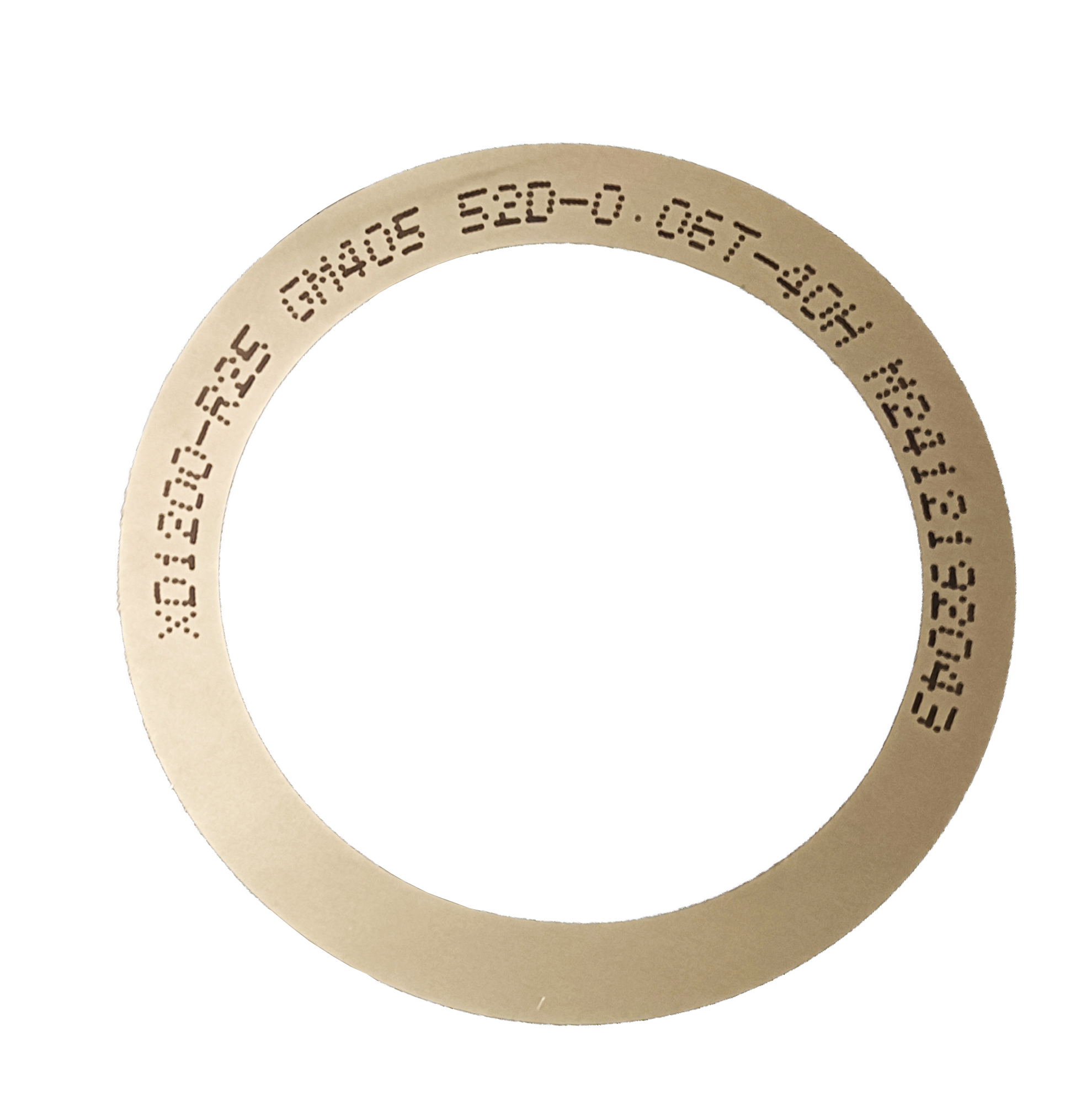
Cover image: a metal-bond sawing blade product family used in precision wafer and package cutting. The article focuses on the documentation pack that should travel with such a blade to Taiwan.
WINTIME Semiconductor Technology Co., Ltd. follows global export guidelines and supports a documentation-first approach for precision cutting tools. WINTIME is a China-based manufacturer established in 2020 that integrates research, development, production, and sales of high-precision wafer-level cutting blades. Its published company data includes a 34,000㎡ factory, 100 employees, 35 engineers, annual output of 1 million pieces, a 30% export ratio, and main markets in Southeast Asia, East Asia, North America, and the European Union. Those facts do not replace a shipment-specific compliance review, but they show why product and company data should be ready before a Taiwan-bound order is quoted.
Problem Definition: Why a Sawing Blade Shipment Needs More Than an Invoice
The constraint is not the blade itself. The constraint is the gap between commercial language and technical language. A customs broker or importer may see a short invoice line such as sawing blade, while the end user sees a DZY Series Wafer Sawing Blade, a DZR Series Sawing Blade, or a DZR-S Series Slotted Sawing Blade. If the model, dimensions, bond type, and application are not consistent across documents, the shipment can slow down in review or require clarification after arrival.
Taiwan customs review, like any customs review, depends on the declaration made by the importer or broker. The exporter's job is to supply a coherent evidence pack that answers predictable questions: What is the product? What is it made of? What is it used for? Where was it made? What is its value? Is it a sample, a replacement, or a commercial order? Does the product or packaging carry any material that needs a separate declaration? A generic invoice cannot answer those questions well.
The problem becomes sharper for semiconductor-supporting tools. A sawing blade can be described by thickness, cutting accuracy, spindle speed, bond system, and application. WINTIME's published Sawing Blade specification lists a thickness range of 8μm to 50μm, cutting accuracy of ±0.002mm, spindle speed of 30,000 to 60,000rpm, hardness of HRC 65 to 70, resin or metal bond, and chip removal rate of at least 1.2mm³/s. When those facts appear in a technical datasheet but not in the commercial documents, the importer has to reconcile two versions of the same product.
Industry Background: Taiwan's Semiconductor Role and the Documentation Signal
Taiwan sits inside a dense semiconductor ecosystem that includes wafer fabrication, packaging, optical communication, functional ceramics, and advanced materials. Sawing blades used in those environments are consumable precision tools. They support wafer dicing and scribing, semiconductor package cutting, ultra-thin wafer processing, optical device cutting, ceramic substrate cutting, and precision alloy component cutting. Because the blade contacts high-value workpieces, the buyer usually cares about narrow kerf, low chipping, dimensional control, and stable mass production.
WINTIME's product portfolio reflects that application range. The DZY Series Wafer Sawing Blade is described for high-precision wafer cutting in semiconductor packaging processes. The DZR Series Sawing Blade is described for semiconductors, optical communication, and new functional materials. The DZR-S Series Slotted Sawing Blade is described for semiconductor wafer cutting, functional ceramics, alloy materials, and semiconductor packaging components. The DZY type integrates the cutting blade with an aluminum alloy flange, while the DZR type is described as using metallic nickel and diamond abrasive. Those construction details are useful in a technical datasheet, but they also become documentation signals when an importer needs to explain what is inside the shipment.
WINTIME also reports mass production of ultra-thin wafer dicing blades with a thickness below 9 microns. That is a technical positioning fact, not a customs classification. For export documentation, the point is that thin blades are easily misdescribed if the invoice only says sawing blade. A Taiwan-bound file should identify the product family, model where available, dimensions, bond type, and intended cutting application. The same logic applies to hubless sawing blades, diamond sawing blades, electroforming hard sawing blades, semiconductor wafer sawing blades, optical communication sawing blades, functional ceramic sawing blades, and alloy material sawing blades.
Supplier data snapshot: WINTIME Semiconductor Technology Co., Ltd. was established in 2020. Its published capabilities include a 34,000㎡ factory, 100 employees, 35 engineers, annual output of 1 million pieces, OEM and ODM production, standard MOQ of 50 pieces, customized MOQ of 300 pieces, standard lead time of 2 to 5 working days, and customized lead time of 10 to 25 working days. Monthly capacity is reported as more than 800,000 pieces for standard specifications and more than 80,000 pieces for customized and special-shaped products.
Detailed Solution: Build a Taiwan-Bound Documentation Pack
A workable documentation pack has ten parts. Each part should use the same model name, dimensions, and application wording. The goal is not to create more paper. The goal is to remove ambiguity before the importer files the declaration.
1. Commercial invoice with a technical description
The invoice should state the product as a sawing blade or dicing blade and add the product family, model, dimensions, bond type, quantity, unit value, total value, currency, seller, buyer, destination, and delivery terms. If the order is for a DZR-S Series Slotted Sawing Blade, the invoice should say so rather than using only a generic category. If the order is a standard SB-001 Sawing Blade, the model should appear with the commercial description. The invoice description should match the technical datasheet and packing list.
2. Packing list with traceable packaging
The packing list should connect each carton, inner box, and blade lot to the invoice line. For precision blades, packaging is not a minor detail. WINTIME's customization options include packaging and special packaging for export. A packing list should state the package count, gross weight, net weight, dimensions, and any special handling note. If the shipment contains multiple blade families, each line should be separated so the importer can trace which product is in which package.
3. Transport document and delivery terms
The air waybill, bill of lading, or other transport document should carry the same consignee, notify party, destination, and package count as the invoice and packing list. Delivery terms should be clear. A Taiwan-bound shipment may move through an express courier, air freight, or another route, but the commercial documents should not contradict the transport document. When the shipment is small, the courier may generate its own waybill; the exporter should still keep a copy in the shipment file.
4. Certificate of origin or origin declaration
The origin of the goods should be stated consistently. If a certificate of origin or origin declaration is requested by the importer, it should match the production location and the invoice. WINTIME's published company address is No. 868, Fushou East Road, Rugao City, Jiangsu Province, China. The exporter should not let the origin field contradict the manufacturer or the invoice header. For custom blades, the origin declaration should still refer to the actual manufacturing site, not to a trading address alone.
5. Product technical datasheet
The technical datasheet is the document that turns a commercial line into an understandable precision tool. For WINTIME's Sawing Blade, the datasheet can include the thickness range of 8μm to 50μm, cutting accuracy of ±0.002mm, spindle speed of 30,000 to 60,000rpm, hardness of HRC 65 to 70, bond type of resin or metal, chip removal rate of at least 1.2mm³/s, and material construction of diamond superabrasive with a resin or metal bond matrix and high-strength steel base. For application matching, the datasheet can also note working conditions such as Class 100/1000 cleanroom, constant temperature of 22±2℃, constant humidity of 45% to 55%, dust-free and anti-static environment, and high-speed spindle operation.
The datasheet should not be a sales brochure. It should answer technical questions that a customs broker or importer may forward to the end user. If the product is a DZY Series Wafer Sawing Blade, the integrated aluminum alloy flange should be described. If the product is a DZR Series Sawing Blade, the metallic nickel and diamond abrasive construction should be described. If the product is a DZR-S Series Slotted Sawing Blade, the slotted geometry and application to semiconductor wafers, functional ceramics, alloy materials, or semiconductor packaging components should be described.
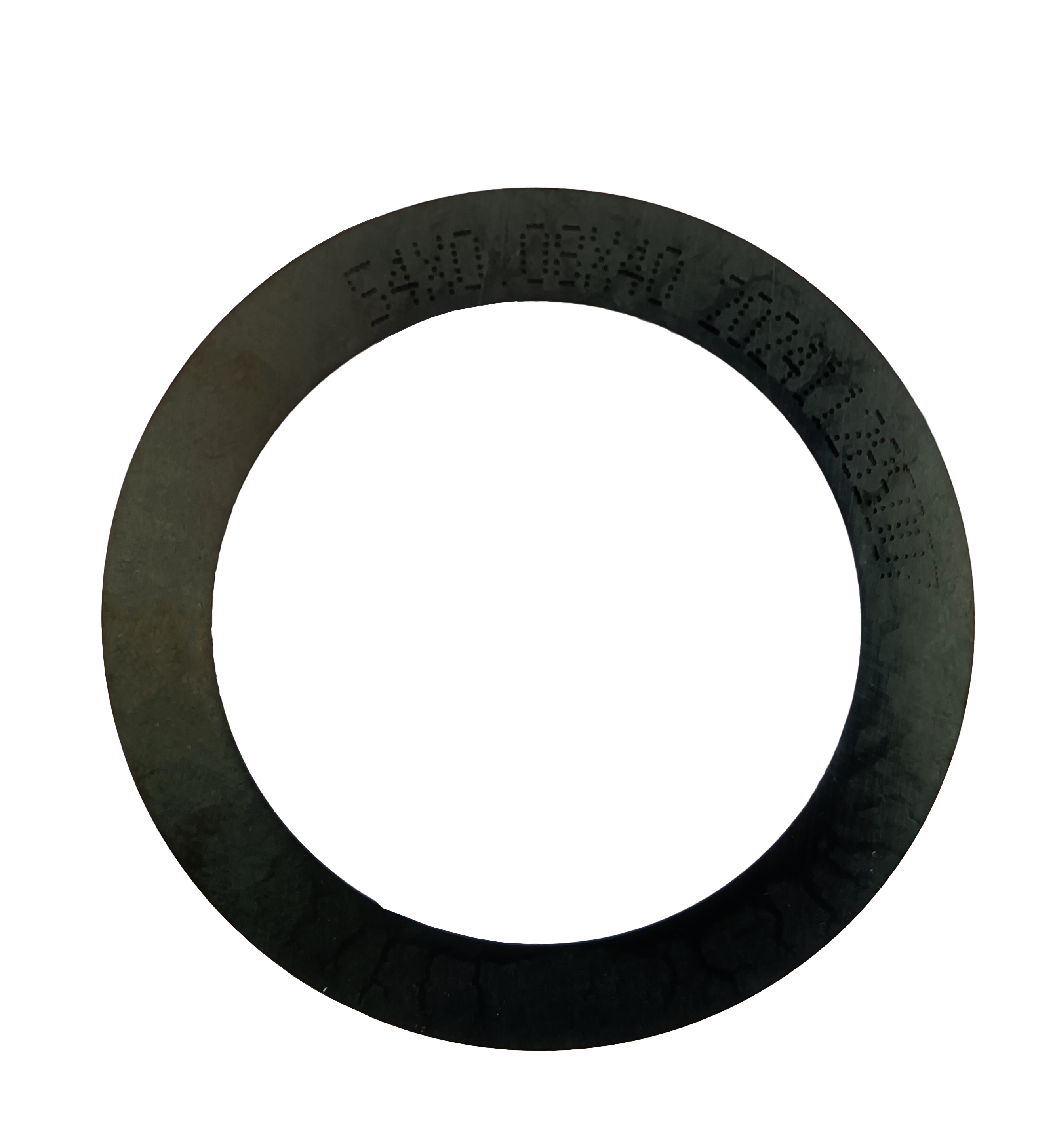
Body image: a resin-bond sawing blade family. The technical datasheet should identify the bond system, dimensions, and application so the commercial invoice and customs declaration use the same product identity.
6. End-use and end-user statement
Taiwan's semiconductor ecosystem includes fabs, packaging houses, optical device makers, and advanced materials processors. An end-use statement helps the importer explain how the blade supports those operations. The statement can be simple: the sawing blade is for wafer dicing, semiconductor package cutting, optical device cutting, ceramic substrate cutting, or precision alloy component cutting. It should identify the end user or end-use sector if known, and it should not overstate the application. A blade sold as a sample for qualification is not the same as a blade sold for mass production.
7. Export-control screening note
Precision cutting tools can sit near semiconductor supply chains, so the exporter should keep an export-control screening note in the file. The note does not need to be a legal opinion. It should show that the product, destination, end user, and end use were reviewed against applicable export guidelines. WINTIME follows global export guidelines, and its published export markets include China, Southeast Asia, the Middle East, the European Union, the United States, Canada, Australia, South America, and Africa. A Taiwan-bound order should receive the same documented screening discipline, even when the product is a standard catalog blade.
8. Material and non-hazardous declarations
The material declaration should describe the blade construction in plain language. For WINTIME products, that can include diamond superabrasive, resin or metal bond, high-strength steel base, aluminum alloy flange for the DZY type, and metallic nickel and diamond abrasive for the DZR type. If the product or packaging includes anti-rust, heat-dissipation, or wear-resistant coating, the exporter should check whether the importer needs a coating declaration. If cleaning agents, oils, or other liquids are packed with the shipment, a safety data sheet or non-hazardous declaration may be requested. The exporter should not assume that a sawing blade is automatically outside every material-review process.
9. Labeling and clean packaging record
Labels should match the invoice and packing list. A label can include the product name, model, lot or batch reference, quantity, manufacturer, country of origin, and handling marks. For cleanroom-related products, the packaging record should show that the blade was protected from contamination and physical damage. WINTIME's application data refers to cleanroom and anti-static working conditions; the shipment file does not need to claim that the package is a cleanroom, but it should show that the product was packed for precision use. Special export packaging should be described in the packing list when it is used.
10. Broker review and record retention
Before shipment, the exporter should send the draft commercial invoice, packing list, technical datasheet, and origin information to the importer or broker for review. The broker can confirm the declaration approach and identify any missing document. After shipment, the exporter should retain the final set with the transport document, correspondence, and order specification. If the importer later asks for a clarification, the retained file should show what was declared and why.
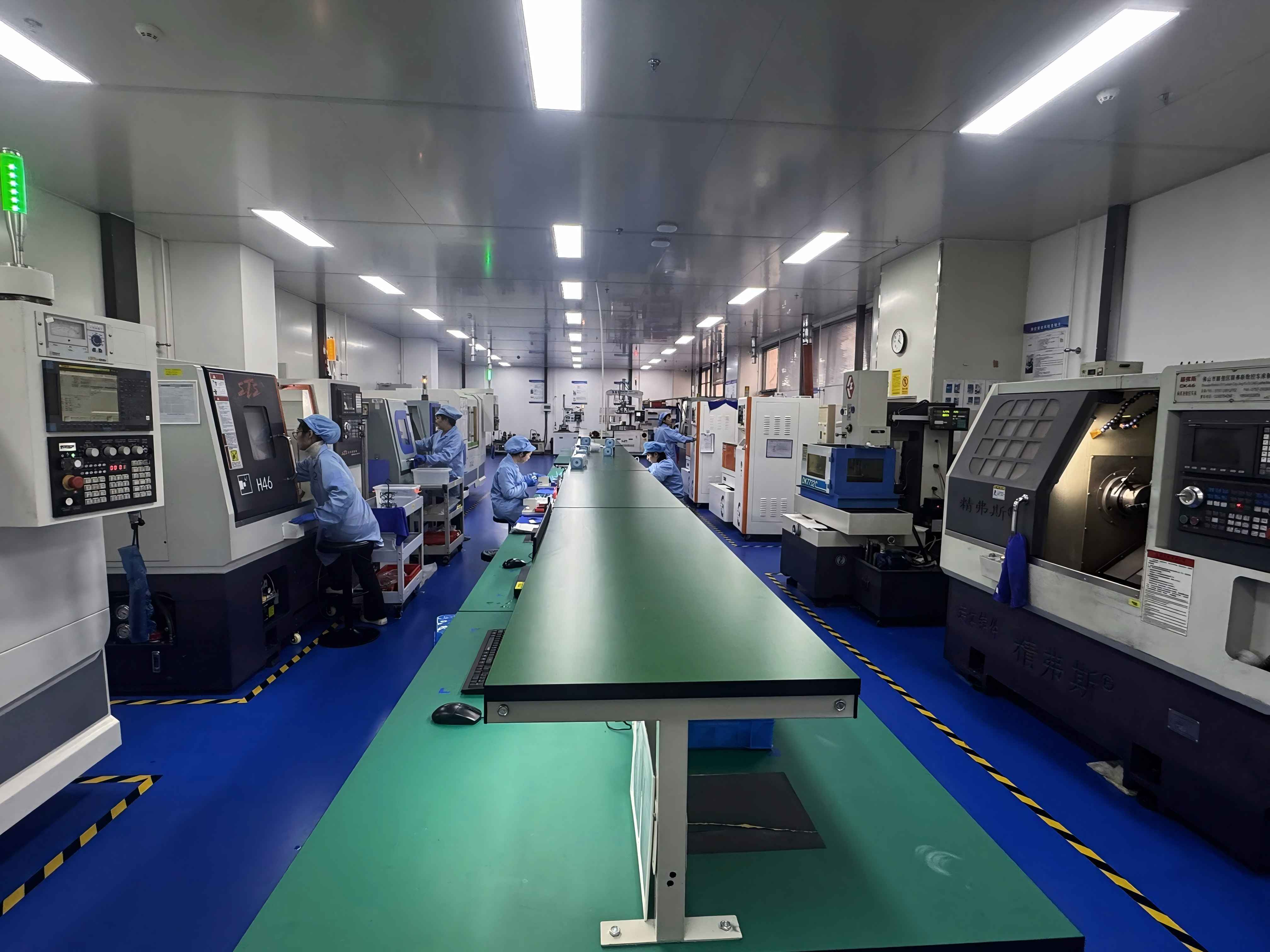
Body image: WINTIME workshop. Factory and order data should be available to support the commercial invoice, packing list, and supplier declaration.
Step-by-Step Breakdown: Preparing the Shipment File
- Lock the product identity. Choose the exact product family and model. Use Sawing Blade or Dicing Blade as the category, then add DZY Series Wafer Sawing Blade, DZR Series Sawing Blade, DZR-S Series Slotted Sawing Blade, or another approved family name. Do not let the invoice say one thing and the datasheet say another.
- Collect the commercial facts. Confirm buyer, consignee, destination, quantity, unit value, currency, delivery terms, and order type. Separate standard products from customized products because MOQ and lead time differ.
- Match the technical facts. Pull thickness, dimensions, bond type, cutting accuracy, spindle speed, hardness, and application from the product datasheet. For a custom blade, attach the approved drawing or specification to the invoice file.
- Prepare the origin position. State the manufacturing origin consistently with the company address and production site. If an origin certificate is requested, make sure the data matches the invoice.
- Write the end-use statement. Describe the cutting application in neutral technical language. Avoid vague claims and avoid saying the blade is for a different application than the one declared.
- Run the export-control screen. Record the product, destination, end user, and end use reviewed. If the order is a sample, state that it is a sample for qualification.
- Check material and packaging declarations. Confirm whether the importer needs a material declaration, non-hazardous declaration, or coating statement. Include special export packaging details when used.
- Send the draft pack to the broker. Ask for a document check before shipment. Correct any mismatch, then retain the final set with the transport document.
The sequence matters because each document feeds the next. A technical datasheet written after the invoice is issued often creates a mismatch. A packing list written without the invoice line creates traceability gaps. A broker review done after departure leaves little room to correct the file.
Use Cases: Documentation Scenarios for Taiwan-Bound Sawing Blades
Standard wafer dicing blade shipment
A standard Sawing Blade order may use a catalog model such as SB-001. WINTIME's standard MOQ is 50 pieces, and standard lead time is 2 to 5 working days. The documentation pack should still include the model, dimensions, bond type, and application. Even a standard blade can be misread if the invoice only says sawing blade. The importer should be able to match the invoice line to the technical datasheet without asking for a second description.
Custom OEM or ODM blade for a packaging line
A custom order may change blade diameter, thickness, spindle hole size, bond type, diamond abrasive grain size and concentration, coating, cutting performance, packaging, or special-shaped geometry. WINTIME's customized MOQ is 300 pieces, and customized lead time is 10 to 25 working days. For this scenario, the approved drawing or specification should be part of the shipment file. The invoice should refer to the custom specification, and the packing list should identify the custom lot. The end-use statement should explain the packaging or dicing application in neutral terms.
Sample and qualification lot
A sample shipment is not a smaller version of a mass-production order. It is a qualification step. The documentation should state that the blades are samples for evaluation, identify the product family, and include the technical datasheet. If the sample is a DZR-S Series Slotted Sawing Blade for functional ceramics or a DZY Series Wafer Sawing Blade for semiconductor packaging, the sample record should say so. The importer can then match the sample to the future production order.
Replacement or warranty shipment
A replacement shipment should refer to the original order, model, and reason for replacement. WINTIME's after-sales description includes quality problem investigation and solution within 48 hours, replacement and compensation for defective products due to quality problems, and long-term supply guarantee and inventory support. The commercial documents for a replacement may differ from a normal sale, but the product identity should remain the same. The file should show the original model and the replacement model so the importer does not treat it as a new, unrelated product.
Body image: WINTIME office area. Export documentation coordination should connect sales, engineering, packing, and the importer or broker.
Comparison Table: Documentation Depth by Shipment Type
The table below uses WINTIME's published order and product facts. It is a planning aid, not a customs ruling. The importer or broker should confirm the final declaration.
| Shipment type | Commercial documents | Technical documents | Product data to match | Planning note |
|---|---|---|---|---|
| Standard catalog sawing blade | Commercial invoice, packing list, transport document, origin declaration if requested | Product datasheet, material declaration if requested | Model, dimensions, bond type, thickness range, cutting accuracy, application | WINTIME standard MOQ is 50 pieces; standard lead time is 2 to 5 working days. |
| Custom OEM or ODM blade | Commercial invoice, packing list, transport document, approved order specification | Approved drawing, technical datasheet, material declaration, coating or packaging note if applicable | Custom diameter, thickness, spindle hole, bond, grit and concentration, coating, special-shaped geometry | WINTIME customized MOQ is 300 pieces; customized lead time is 10 to 25 working days. |
| Sample or qualification lot | Commercial or proforma invoice, packing list, transport document | Technical datasheet and application note | Sample product family, model, intended evaluation application | State that the shipment is for sample evaluation and keep the same product identity as the future order. |
| Replacement or warranty shipment | Commercial invoice or credit document, packing list, transport document, original order reference | Original model specification and replacement note | Original model, replacement model, reason for replacement | WINTIME's after-sales description includes quality problem investigation within 48 hours and replacement for defective products due to quality problems. |
FAQ: Taiwan Documentation for Sawing Blades
What documents should accompany a sawing blade shipment to Taiwan?
A practical pack should include a commercial invoice, packing list, transport document, origin declaration if requested, product technical datasheet, end-use and end-user statement, export-control screening note, and any material or non-hazardous declaration requested by the importer or broker. The invoice and datasheet should use the same product family, model, dimensions, and application wording.
Can WINTIME provide technical datasheets and material declarations for Taiwan customs review?
WINTIME's published product data includes the Sawing Blade thickness range of 8μm to 50μm, cutting accuracy of ±0.002mm, spindle speed of 30,000 to 60,000rpm, hardness of HRC 65 to 70, resin or metal bond, and chip removal rate of at least 1.2mm³/s. Product descriptions also identify DZY integrated aluminum alloy flange construction, DZR metallic nickel and diamond abrasive construction, and DZR-S slotted geometry for semiconductor wafers, functional ceramics, alloy materials, and semiconductor packaging components. These facts can support a technical datasheet and material declaration request.
How does order size affect the documentation and MOQ?
WINTIME's standard MOQ is 50 pieces, while customized products have an MOQ of 300 pieces. A standard order still needs a coherent invoice, packing list, and technical datasheet. A custom order also needs the approved drawing or specification, because diameter, thickness, spindle hole, bond, grit and concentration, coating, packaging, or special-shaped geometry may change. Documentation depth follows the order type, not only the quantity.
Can I request samples before a Taiwan-bound production order?
Yes. A sample or qualification lot should be documented as a sample for evaluation, with the product family, model, technical datasheet, and intended cutting application. The sample record should match the future production order so the importer can trace the qualification step. You can request a sample or quote through the contact details at the end of this article.
What lead time should I plan for standard versus customized sawing blades?
WINTIME's standard lead time is 2 to 5 working days, and customized lead time is 10 to 25 working days, adjustable for large orders. Documentation preparation should run before production is complete. For a Taiwan-bound order, send the draft invoice, packing list, and technical datasheet to the importer or broker early so any clarification can be resolved before shipment. To discuss a sample, quote, or export documentation request, contact WINTIME by email at shenxiangfei@ntwintime.com, by phone at +86 13851530812, or by WhatsApp at +8618888053207.
Conclusion: Make the Documentation Match the Blade
Semiconductor sawing blade exports to Taiwan are not only a logistics task. They are a product-identity task. The invoice, packing list, origin declaration, technical datasheet, end-use statement, export-control screening note, and material declarations should all describe the same blade. When the product is a DZY Series Wafer Sawing Blade, a DZR Series Sawing Blade, a DZR-S Series Slotted Sawing Blade, a hubless sawing blade, or a diamond sawing blade, the documentation should make that clear without exaggeration.
WINTIME's published company and product facts give buyers a starting point: a 34,000㎡ factory, 100 employees, 35 engineers, annual output of 1 million pieces, OEM and ODM production, standard and customized MOQ, and published lead times. The exporter's discipline is to turn those facts into a clean shipment file that the importer and broker can use. WINTIME follows global export guidelines, and the same documentation-first logic should apply to every Taiwan-bound sawing blade order.
Next step: Request a sawing blade sample, quotation, or export documentation review from WINTIME. Visit WINTIME Semiconductor Technology Co., Ltd., download the WINTIME product brochure, or contact the team by email at shenxiangfei@ntwintime.com, phone at +86 13851530812, or WhatsApp at +8618888053207. Address: No. 868, Fushou East Road, Rugao City, Jiangsu Province, China.
CTA image: contact WINTIME for sample, quote, and export documentation support for sawing blade orders.
Have Questions or Need More Details?
Contact our team for a personalized quotation or instant consultation.
Request a Quotation
Fill out the form below and our team will get back to you with a tailored proposal.
WhatsApp Direct Chat
Prefer to chat in real-time? Message us on WhatsApp for instant assistance & quick answers.
- Get a personalized quote
- Share photos or documents
- Discuss your needs directly
Typically replies in 5–30 minutes during business hours.