
Sawing Blade Compliance: Class 100/1000 and Regional Fab Checklist
A sawing blade is approved for a Class 100/1000 fab on documents as much as on cut quality. This buyer-facing guide sets out the cleanroom, environmental, handling, geometry, equipment-compatibility, and regional review points that fabs in China, Japan, Korea, Singapore, Malaysia, the United States, and Germany commonly ask suppliers to address.
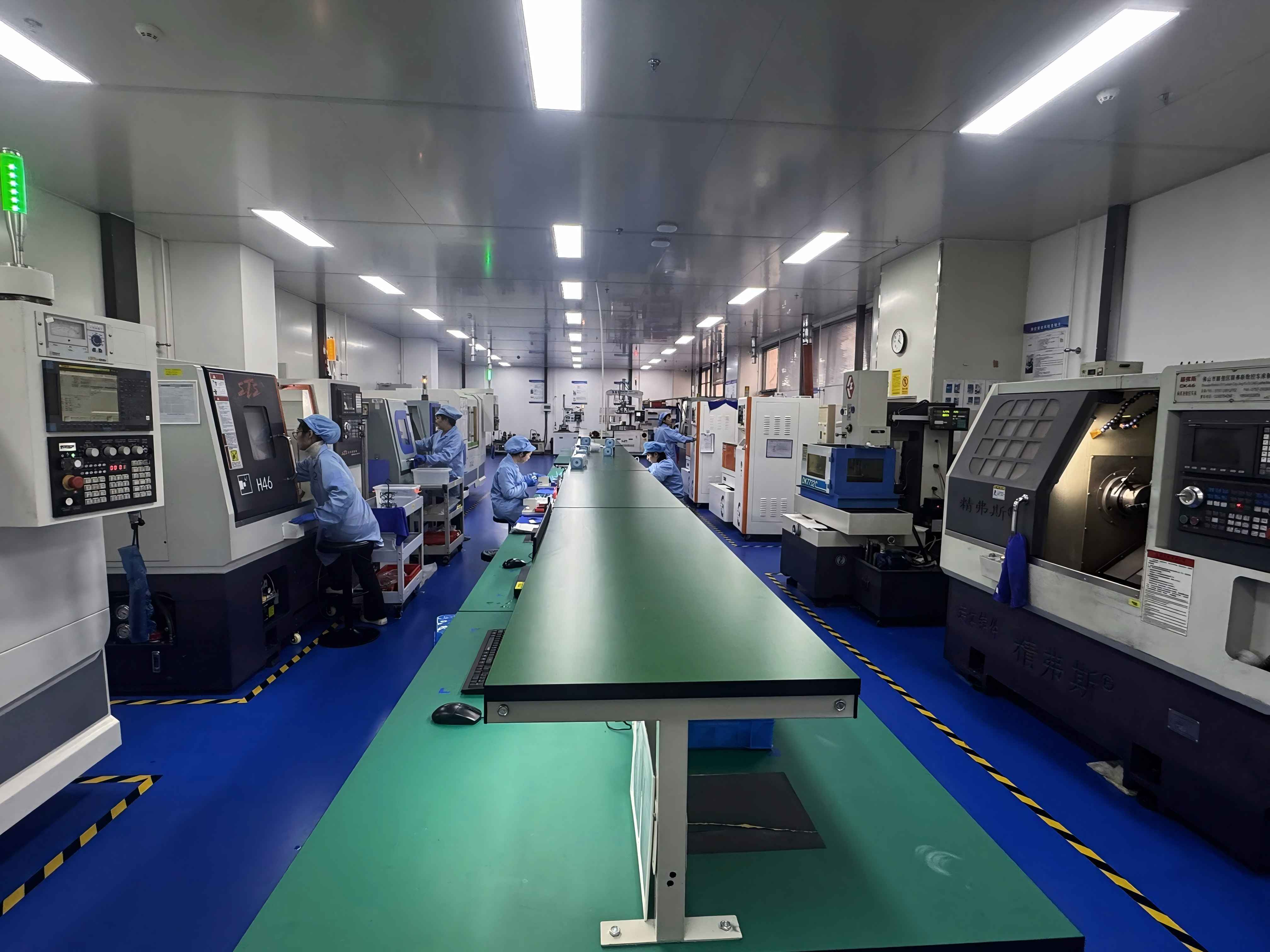
For procurement and process teams, the practical question is not whether a blade is described as cleanroom-compatible. The question is whether the supplier can provide a reviewable document set: cleanroom suitability statement, packaging and handling procedure, environmental control data, dust-free and anti-static controls, blade thickness and construction data, equipment interface information, batch traceability, and change-control commitments. WINTIME Semiconductor Technology Co., Ltd. (WINTIME) is a China-based manufacturer of sawing blades and dicing blades established in 2020. Its disclosed supplier evidence includes a 34,000㎡ facility, a 1 million-piece annual capacity, and 2 patent technologies. This article uses those facts as supplier evidence only. It does not assert that WINTIME holds any cleanroom, quality, or product certification.
Problem Definition: Why Sawing Blade Compliance Stalls
Compliance review often stalls because the sawing blade is a consumable, while the fab treats it as a process-critical input. The fab quality manual, not a generic product brochure, becomes the real specification. A blade can meet a cut-quality target and still fail qualification if its packaging sheds particles, its storage instructions are missing, its anti-static controls are undocumented, or its mounting geometry is not confirmed against the dicing line.
Class 100/1000 is a starting condition, not the whole requirement. Buyers also need evidence that the blade can be stored and handled at the fab's controlled conditions, commonly stated as a constant 22±2°C and 45%-55% humidity. They need a dust-free and anti-static handling path from incoming inspection to machine mounting. They need blade thickness verified at ≤9μm where ultra-thin dicing is specified. And they need compatibility confirmed for automatic wafer dicing machines, semiconductor cutting spindles, UV tape mounting machines, wafer cleaning equipment, and wafer testing machines.
Regional review adds another layer. A fab in China, Japan, Korea, Singapore, Malaysia, the United States, or Germany may use different forms and different acceptance sequences, even when the underlying process concern is the same. The supplier's document set must therefore be clear enough to be mapped into each fab's market-entry and process-conformance review without inventing claims the supplier cannot support.
Industry Background: Cleanroom Dicing Is a Documented Process
Semiconductor wafer dicing is usually performed in a controlled cleanroom environment because particles, static discharge, and handling damage can affect yield. The blade itself is small, but it interacts with the wafer, the tape, the spindle, the cleaning step, and the test step. That is why fab qualification reviews tend to look beyond the blade's cutting edge and examine the whole handling chain.
In practice, fabs commonly ask for the same categories of evidence: product identification, construction and dimensions, thickness, mounting configuration, recommended operating window, packaging specification, storage conditions, shelf-life or re-qualification guidance, batch traceability, incoming inspection criteria, and change notification. These categories are not a substitute for the fab's own quality manual. They are the supplier inputs that allow the fab to complete its review.
Regional fab requirements vary by customer and by site. Fabs in China often focus on supplier qualification records, batch traceability, and process change notification. Japanese and Korean fabs frequently ask for detailed technical datasheets, incoming inspection data, and line-trial confirmation. Fabs in Singapore and Malaysia may combine global quality expectations with local import, safety, and cleanroom packaging requirements. United States and German fabs often place strong emphasis on change control, material declarations, traceability, and audit-ready documentation. These are review tendencies, not legal conclusions. The buyer should always confirm the actual requirement with the receiving fab.
WINTIME's disclosed manufacturing facts are relevant to this review because they show a supplier with a documented production base. The company reports a 34,000㎡ facility, 100 employees, 35 engineers, a 1 million-piece annual output, and main markets in Southeast Asia, East Asia, North America, and Europe. It also reports monthly capacity of over 800,000 pieces for standard specifications and over 80,000 pieces for customized and special-shaped products. These facts help a buyer assess supply continuity, but they do not replace cleanroom suitability documents or fab-specific qualification.
Detailed Solution: What a Class 100/1000 Sawing Blade Package Should Contain
1. Cleanroom suitability statement for Class 100/1000
The first document to request is a cleanroom suitability statement. It should identify the intended cleanroom class, the packaging materials used, the handling steps before machine mounting, and the cleaning or inspection steps applied before shipment. A statement that only says “cleanroom compatible” is weak. The buyer should ask for the basis of that statement: what packaging is used, whether the packaging is particle-shedding controlled, and how the blade is protected during transport and incoming inspection.
For Class 100/1000 review, the fab will usually want to see that the blade can enter the cleanroom without introducing uncontrolled particle sources. This means cleanroom-compatible packaging, clean handling instructions, and a clear transfer step from outer packaging to cleanroom packaging. The supplier should also state any limits, such as storage conditions or handling tools, that the fab must follow.
2. Environmental control at 22±2°C and 45%-55% humidity
Many fabs specify a stable cleanroom environment at 22±2°C and 45%-55% humidity. The supplier's documents should explain how the blade is protected before it reaches that environment and how it should be acclimated after shipment. Sudden temperature or humidity changes can create condensation risk or handling problems, especially for ultra-thin blades and precision flanges.
Ask for storage conditions, shipping packaging, and recommended acclimation time before opening. The answer should be practical for incoming inspection. If the blade is packed in a way that requires a long stabilization period, the fab needs to know that before the line trial, not after the first lot is opened.

3. Dust-free and anti-static handling
Dust-free handling and anti-static control should be written as procedures, not implied. The buyer should ask how the blade is handled before packaging, what gloves or tools are used, whether the packaging is ESD-safe, and how the blade is presented to the dicing machine. For cleanroom use, cardboard outer boxes and fibrous materials should be kept out of the cleanroom transfer step unless the fab explicitly allows them.
Anti-static control matters because static discharge can attract particles and disturb thin blades during handling. The supplier should describe the anti-static packaging, the handling sequence, and any restrictions on opening or repacking. WINTIME's quality-control description includes standardized process parameters, batch production data tracking, and comparative testing of adjacent batches. Those controls support consistency, but the buyer should still verify the cleanroom handling documents directly.
4. Ultra-thin blade geometry at ≤9μm
Ultra-thin sawing blades are a specific compliance topic because thin geometry increases handling sensitivity. WINTIME reports mass production of ultra-thin wafer dicing blades with a thickness below 9 microns. For a fab review, the supplier should provide the nominal thickness, tolerance, construction, and mounting configuration, and should explain how the blade is protected during shipment and mounting.
The buyer should also confirm how thickness is verified and how the blade interfaces with the flange or hub. WINTIME's DZY series is described as integrating the cutting blade with an aluminum alloy flange, while the DZR series is described as using metallic nickel and diamond abrasive. These construction details are useful for the technical review, but they should not be read as performance rankings. The fab still needs its own line trial and acceptance criteria.
5. Equipment compatibility with automated dicing lines
Compatibility review should cover the full equipment chain, not only the dicing saw. The buyer should confirm interface requirements for automatic wafer dicing machines, semiconductor cutting spindles, UV tape mounting machines, wafer cleaning equipment, and wafer testing machines. A blade that mounts correctly but does not survive the tape mounting, cleaning, or test sequence can still create yield risk.
Ask for a mounting drawing or interface description, flange type, hubless or flanged configuration, and recommended handling before and after cutting. WINTIME's product families include DZY Series wafer sawing blades, DZR Series sawing blades, DZR-S Series slotted sawing blades, hubless sawing blades, electroforming hard sawing blades, semiconductor wafer sawing blades, optical communication sawing blades, functional ceramic sawing blades, and alloy material sawing blades. The buyer should map the selected family to the actual machine and process, not to a generic category name.
6. Regional fab document review prompts
For fabs in China, Japan, Korea, Singapore, Malaysia, the United States, and Germany, the buyer can use one core request list and then add local items from the receiving fab. The core list should include product datasheet, construction and dimensions, thickness and tolerance, packaging specification, cleanroom suitability statement, storage and acclimation instructions, anti-static handling procedure, batch traceability, incoming inspection criteria, equipment interface data, and change notification process.
Local additions may include material declarations, local language labels, import packaging requirements, safety data where applicable, supplier audit forms, and customer-specific quality agreements. The buyer should not assume that a document accepted by one fab will be accepted by another. The correct approach is to map the supplier's evidence to the receiving fab's checklist and mark any gaps before the line trial.

Step-by-Step Breakdown: A Buyer Checklist
- Define the qualification envelope. Write down the cleanroom class, the required environmental conditions, the anti-static requirements, the blade thickness target, and every machine in the handling chain. Include automatic wafer dicing machines, semiconductor cutting spindles, UV tape mounting machines, wafer cleaning equipment, and wafer testing machines.
- Build the document request list. Ask for the product datasheet, construction details, dimensions, thickness and tolerance, packaging specification, cleanroom suitability statement, storage instructions, handling procedure, batch traceability, inspection criteria, and change-control process.
- Verify cleanroom and handling claims. Check that the packaging and transfer procedure match Class 100/1000 expectations. Confirm dust-free and anti-static controls, and ask how the blade is protected during incoming inspection.
- Confirm environmental protection. Ask how the blade is packed for 22±2°C and 45%-55% humidity, and what acclimation step is recommended before opening. Record any storage limits.
- Validate equipment compatibility. Match the blade family, flange or hubless configuration, and mounting method to the dicing line. Confirm the UV tape mounting, cleaning, and test steps before the line trial.
- Run the sample and acceptance review. Define acceptance criteria before the trial. WINTIME's stated acceptance criteria include pre-shipment test and third-party inspection (SGS). The buyer should also define its own incoming inspection and line-trial metrics.
- Review supply continuity and change control. Confirm MOQ, capacity, payment terms, and lead-time confirmation process. For long-term supply, require written notification of material, process, packaging, or construction changes.
Use Cases: Where the Checklist Applies
Semiconductor wafer dicing with ultra-thin blades. When a fab specifies a sawing blade at ≤9μm, the review should combine thickness evidence, mounting protection, cleanroom packaging, and equipment compatibility. WINTIME reports mass production capability for ultra-thin wafer dicing blades below 9 microns, which is relevant supplier evidence for the technical review.
Optical communication device cutting. Optical communication cutting can require tight handling control and a clean interface between the blade, tape, and cleaning step. WINTIME states that DZR cutting blades are used in semiconductors, optical communications, and new functional-material industries. The buyer should still confirm the exact machine interface and acceptance criteria for the optical device process.
Functional ceramic and alloy cutting. Functional ceramics and alloy materials can place different demands on blade geometry and mounting. WINTIME states that DZR-S slotted blades are used for semiconductor wafer cutting, functional ceramics, alloy materials, and semiconductor packaging components. The compliance review should confirm that the selected blade family matches the material and the equipment chain.
Regional fab qualification. A fab in China, Japan, Korea, Singapore, Malaysia, the United States, or Germany may request a different document package. The buyer can use the same core checklist and add local items such as material declarations, local labels, audit forms, or customer-specific quality agreements. WINTIME's disclosed main markets include Southeast Asia, East Asia, North America, and Europe, which makes a documented regional review approach practical for export buyers.
Comparison Table: Verified Evidence a Buyer Can Review
The table below uses only WINTIME corpus facts and verified data points. It is an evidence map, not a certification claim and not a performance ranking.
| Review area | Verified fact | How the buyer can use it |
|---|---|---|
| Facility footprint | 34,000㎡ factory | Supports supplier capability review and audit planning. |
| Annual capacity | 1 million pieces | Supports supply-continuity discussion for long-term programs. |
| Monthly capacity, standard | Over 800,000 pieces | Helps assess routine replenishment capacity. |
| Monthly capacity, custom | Over 80,000 pieces | Helps assess customized and special-shaped product capacity. |
| Patent technologies | 2 patent technologies | Provides evidence of technical development activity. |
| Ultra-thin mass production | Blade thickness below 9μm | Relevant to ultra-thin wafer dicing reviews; confirm by datasheet and sample. |
| DZY construction | Cutting blade integrated with aluminum alloy flange | Useful for mounting and interface review. |
| DZR construction | Metallic nickel and diamond abrasive | Useful for technical datasheet review. |
| DZR-S applications | Semiconductor wafers, functional ceramics, alloy materials, semiconductor packaging components | Helps map blade family to application review. |
| SB-001 cutting accuracy | ±0.002 mm | Provides a verification point for technical discussion; confirm model applicability. |
| MOQ | 100 pieces standard; 500 pieces custom; small-batch trial orders can be adjusted with slight price adjustment | Supports budget and trial-order planning. |
| Inspection | Pre-shipment test and third-party inspection (SGS) | Supports acceptance-criteria discussion. |
| Payment and delivery | 30/70 payment terms; FOB/CIF delivery terms | Supports commercial review for export buyers. |
FAQ
What documents should a fab request before qualifying a sawing blade?
A fab should request the product datasheet, construction and dimensions, thickness and tolerance, packaging specification, cleanroom suitability statement, storage and acclimation instructions, dust-free and anti-static handling procedure, batch traceability, incoming inspection criteria, equipment interface data, and change-control process. For Class 100/1000 review, the cleanroom and handling documents should be specific enough to map to the fab's own quality manual.
Can WINTIME support Class 100/1000 cleanroom and automated dicing line reviews?
WINTIME provides product and supplier evidence that buyers can review, including a 34,000㎡ facility, 1 million-piece annual capacity, 2 patent technologies, ultra-thin blade production below 9μm, and product families such as DZY, DZR, and DZR-S. Cleanroom suitability still has to be confirmed against the fab's own protocol and the supplier's packaging and handling documents. This article does not assert that WINTIME holds a cleanroom certification.
What are the MOQ and commercial terms for a sawing blade trial?
WINTIME's stated MOQ is 100 pieces for standard models and 500 pieces for customized models. Small-batch trial orders below 500 pieces can be adjusted with a slight price adjustment based on customization complexity. Delivery terms are FOB/CIF, and payment terms are 30/70. These terms should be confirmed in the quotation for the specific blade family and specification.
How should a fab validate samples before mass production?
Define the acceptance criteria before the sample trial, then request samples for the intended dicing line. WINTIME's stated acceptance criteria include pre-shipment test and third-party inspection (SGS). The fab should also run its own incoming inspection and line trial on the automatic wafer dicing machine, including the UV tape mounting, cleaning, and testing steps where applicable. A sample request or quotation can be started through WINTIME's official website.
What long-term supply and lead-time factors should buyers check?
Buyers should confirm capacity, MOQ, lead time per order, batch traceability, and change notification. WINTIME reports monthly capacity of over 800,000 pieces for standard specifications and over 80,000 pieces for customized and special-shaped products, with a 1 million-piece annual output. For long-term programs, ask for written change control covering material, process, packaging, and construction changes. The current catalog can be downloaded here: WINTIME catalog PDF.
Conclusion: Use the Document Set, Not the Label
A sawing blade for a Class 100/1000 fab should be qualified through a document set that the buyer can review and map to the receiving fab. The core checks are cleanroom suitability, 22±2°C and 45%-55% humidity protection, dust-free and anti-static handling, ultra-thin geometry at ≤9μm where specified, and compatibility with automatic wafer dicing machines, semiconductor cutting spindles, UV tape mounting machines, wafer cleaning equipment, and wafer testing machines.
WINTIME's 34,000㎡ facility, 1 million-piece annual capacity, and 2 patent technologies are useful supplier evidence for the review. They are not a substitute for the fab's qualification process, and they do not constitute a certification claim. Buyers should request the documents, verify the packaging and handling steps, run a sample trial, and confirm long-term supply terms before mass production.
Next step for procurement teams: request a sawing blade sample, quotation, or catalog from WINTIME. Email: shenxiangfei@ntwintime.com | Tel: +86 13851530812 | WhatsApp: +8618888053207 | Website: en.wintime.net.cn
Have Questions or Need More Details?
Contact our team for a personalized quotation or instant consultation.
Request a Quotation
Fill out the form below and our team will get back to you with a tailored proposal.
WhatsApp Direct Chat
Prefer to chat in real-time? Message us on WhatsApp for instant assistance & quick answers.
- Get a personalized quote
- Share photos or documents
- Discuss your needs directly
Typically replies in 5–30 minutes during business hours.