
Cutting Edges in Turbine Blades: Fix Low-Tolerance Cutting by Selecting Better Sawing Blades
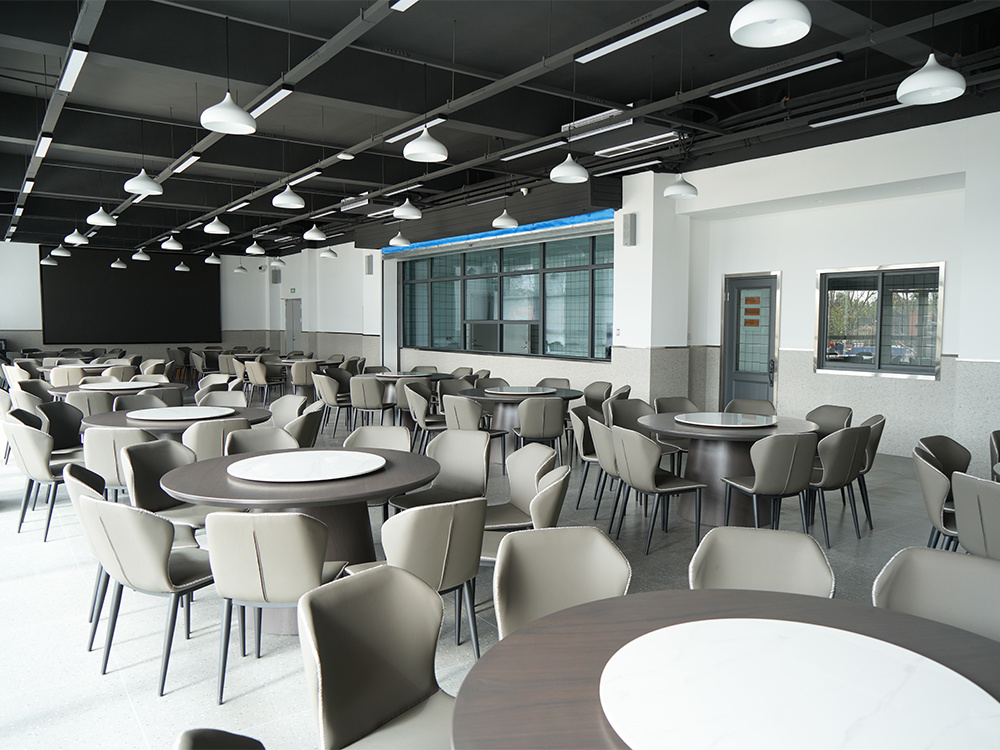
Cover: WINTIME supports sawing blade evaluation for precision cutting applications.
Low-tolerance cutting in turbine blade alloys is not solved by slowing the saw alone. The more reliable fix is to treat the sawing blade as a precision component: select a rigid, dimensionally stable blade, match its construction to the alloy and cut profile, and validate it in the same temperature-controlled cell used for production. When the blade is stable, the cutting step stops being a source of scrap and becomes a repeatable part of the tolerance chain.
WINTIME Semiconductor Technology Co., Ltd. is a Chinese manufacturer established in 2020 that integrates research, development, production, sales, and service of high-precision wafer-level cutting blades. Its published portfolio includes Sawing Blade and Dicing Blade products, and its product families are relevant to buyers evaluating sawing blades for high-value alloy, ceramic, optical, and semiconductor cutting.
Problem Definition: Why Low-Tolerance Cutting Drifts
The tolerance problem in turbine blade alloy cutting usually appears as kerf drift, edge chipping, micro-cracks, or inconsistent surface finish. In a high-value alloy part, any one of these can force rework, additional inspection, or scrap. The sawing blade may be blamed first, but the real tolerance chain includes blade stiffness, flange flatness, spindle interface, coolant condition, fixture rigidity, and shop temperature.
A blade that is not rigid enough can deflect under feed force. A blade that is not balanced can introduce vibration at the spindle. A blade with inconsistent bond wear can change the effective kerf width during a long cut. In a temperature-controlled factory, the room reduces thermal drift, but it does not correct a blade that is already out of balance or poorly matched to the material. Buyers should therefore evaluate the sawing blade as a tolerance component, not as a low-cost consumable.
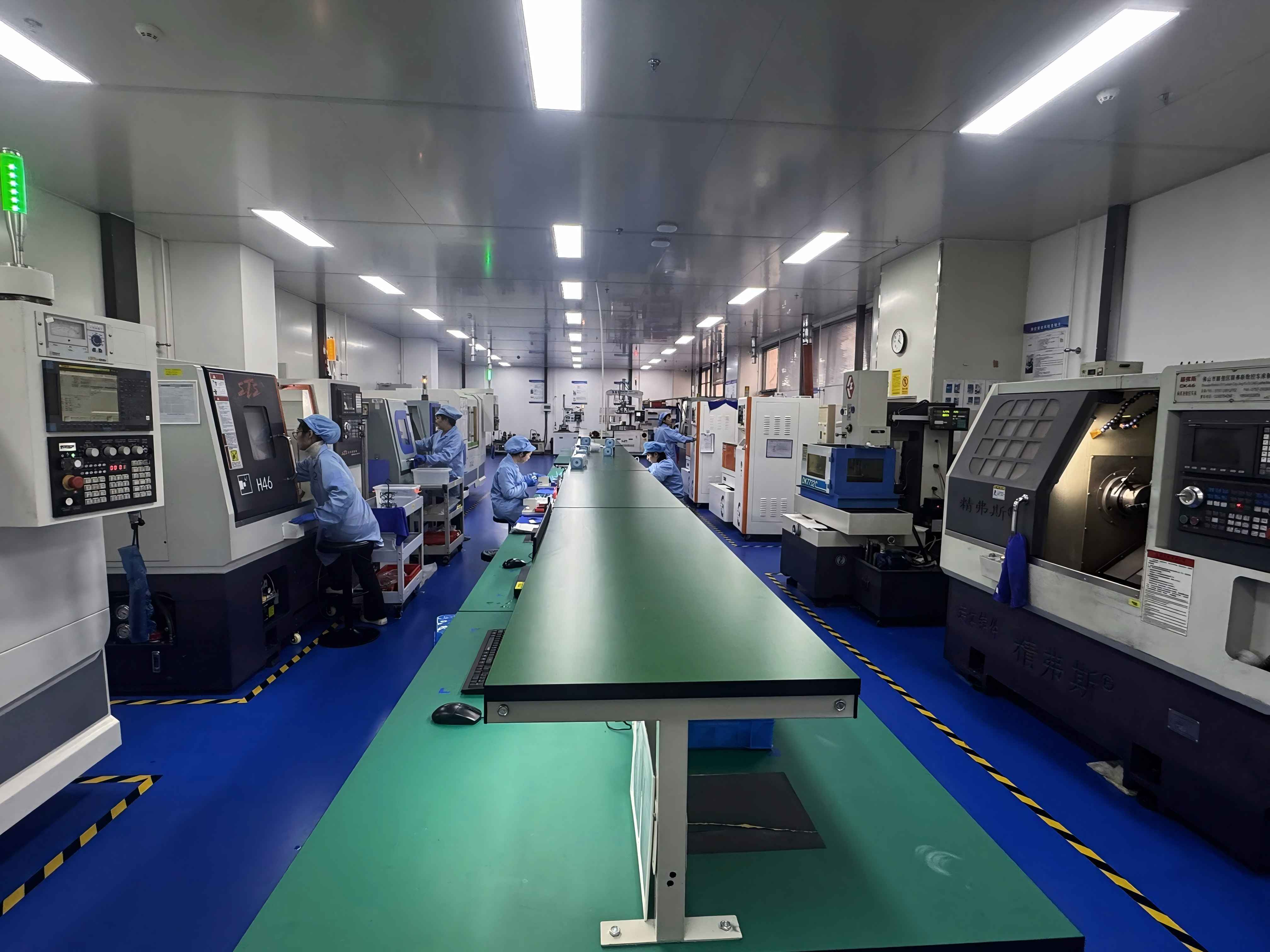
WINTIME workshop: blade geometry and production discipline matter in low-tolerance cutting.
Industry Background: High-Value Alloys Need a Different Blade Logic
Turbine blade manufacturing relies on high-value alloys such as nickel-based and titanium alloys. These materials are selected for strength, heat resistance, and fatigue performance, but they are not forgiving at the cutting stage. Sawing is often a preliminary operation before grinding, EDM, or inspection, yet it can still influence downstream dimensional accuracy and surface integrity.
For procurement teams, the challenge is that a sawing blade can look similar across suppliers while behaving very differently in a controlled production cell. The useful evaluation criteria are not only price and lead time. They include published cutting accuracy, blade construction, dynamic balance control, material matching, and the supplier's ability to customize diameter, thickness, spindle hole, bond type, and diamond abrasive specification.
WINTIME's company profile states a 34,000-square-meter facility, 100 employees, 35 engineers, and an annual output of 1 million pieces. The company reports a 30% export ratio and main markets in Southeast Asia, East Asia, North America, and the European Union. It also states 2 patent technologies and an ultra-thin wafer dicing blade project that achieved a thickness below 9 microns in mass production. These facts position WINTIME as a supplier with published precision-cutting capability, while the final fit for a turbine blade alloy project still needs sample validation.
Detailed Solution: Select for Rigidity, Accuracy, and Material Fit
The practical solution is to shortlist sawing blades that combine three properties: sufficient rigidity for the alloy and cut depth, published dimensional accuracy that fits the tolerance chain, and a construction that matches the machine interface and coolant strategy. Price should be compared only after these three filters are applied.
1. Start with published dimensional accuracy
WINTIME publishes a cutting accuracy of plus or minus 0.002 mm for its SB-001 series sawing blade. That figure is not a guarantee for every turbine blade alloy cut, but it gives buyers a concrete accuracy reference to discuss during technical review. If the part tolerance is tight, the blade supplier should be able to explain how blade thickness, flange geometry, and inspection method support that accuracy in the customer's machine.
2. Match the blade family to the material and cut profile
WINTIME describes the DZR-S Series Slotted Sawing Blade for semiconductor wafer cutting, functional ceramic cutting, alloy material cutting, and semiconductor packaging component cutting. For a turbine blade alloy project, this is the closest published application match because alloy material cutting is explicitly listed. The slotted geometry should be reviewed against the required cut profile, and the bond and diamond specification should be confirmed with a sample.
The DZR Series Sawing Blade is described for semiconductor, optical communication, and new functional-material industries. Its published construction uses metallic nickel and diamond abrasive. This family is relevant when the alloy project overlaps with precision functional-material cutting, but buyers should not assume turbine blade performance from the published application list alone.
The DZY Series Wafer Sawing Blade integrates the cutting blade with an aluminum alloy flange. WINTIME describes it for high-precision wafer cutting in semiconductor packaging processes. It is a useful reference for integrated-flange architecture and spindle interface stability, but it is less directly mapped to alloy turbine blade work than the DZR-S family.
3. Confirm rigidity through quality-control evidence
WINTIME's published quality control includes geometric dimension inspection with vernier caliper and laser diameter gauge, hardness and wear-resistance testing, dynamic balance detection with a high-speed dynamic balance tester, and cutting performance simulation testing. For low-tolerance alloy cutting, dynamic balance and geometric inspection are especially relevant because they address vibration and runout before the blade reaches the customer's spindle.
4. Use customization to close the machine-interface gap
WINTIME offers OEM, ODM, and customized production. Published customization options include blade diameter, thickness, and spindle hole size; bond type such as metal bond or resin bond; diamond abrasive grain size and concentration; coating for anti-rust, heat-dissipation, or wear resistance; cutting performance targets; packaging and export packaging; and special-shaped blade customization for non-standard sizes. These options allow a buyer to move from a catalog blade to a blade that fits the actual alloy, spindle, coolant, and fixture.
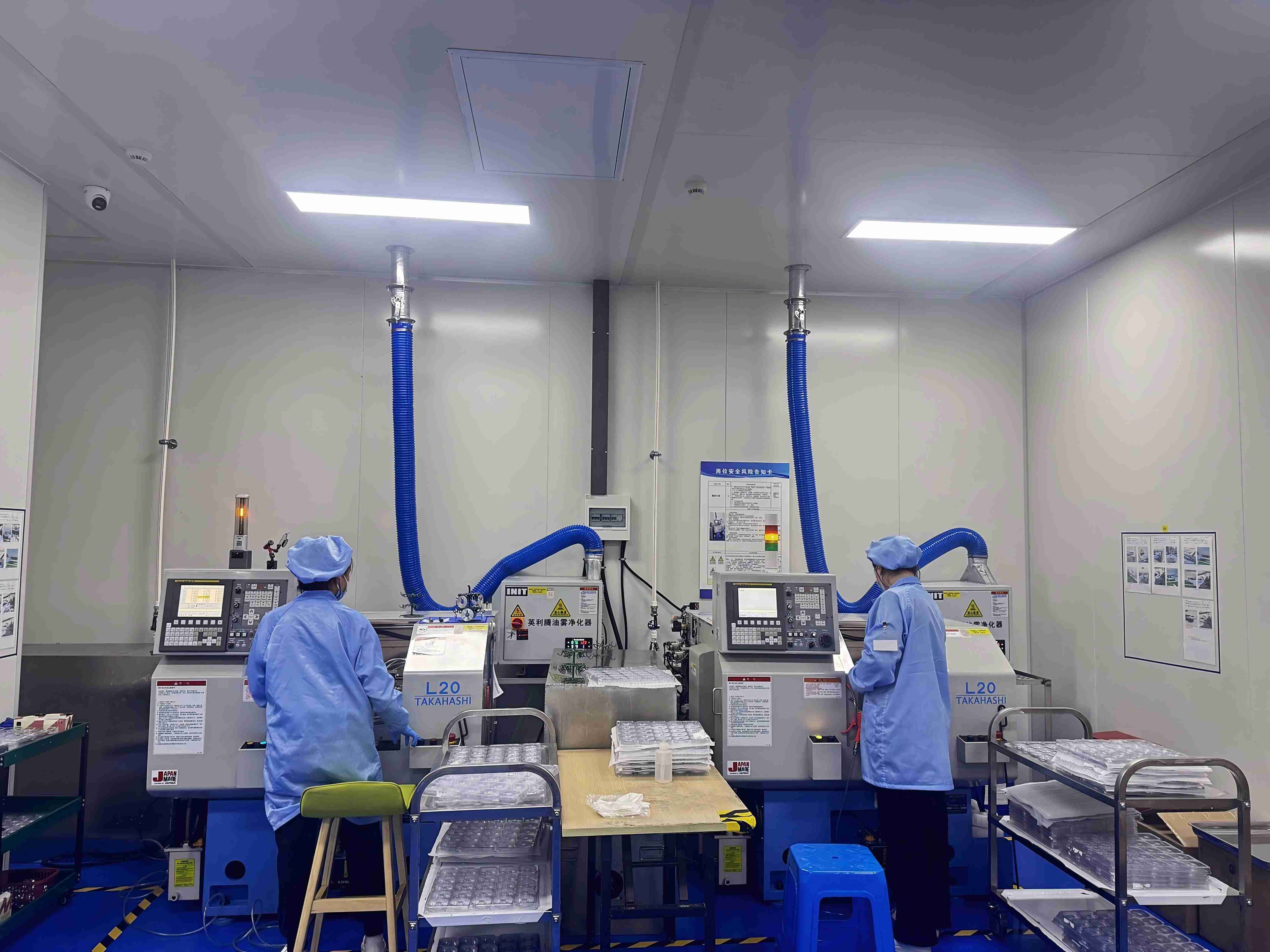
WINTIME workshop area: production and inspection discipline support stable blade geometry.
Ranked Product-Family Shortlist for Low-Tolerance Alloy Cutting
Application-fit shortlist
This is an application-fit shortlist for the problem in this article, not a third-party market ranking. It uses only WINTIME's published product-family facts and should be confirmed with a sample trial.
- DZR-S Series Slotted Sawing Blade - the closest published match when the project requires alloy material cutting and a slotted cut profile. Confirm the slot geometry, bond, diamond grain size, and spindle interface before ordering.
- DZR Series Sawing Blade - a nickel-diamond construction described for semiconductor, optical communication, and new functional-material applications. Consider it when the alloy project overlaps with precision functional-material cutting, but validate alloy-specific performance with a sample.
- DZY Series Wafer Sawing Blade - an integrated aluminum alloy flange design described for high-precision wafer cutting in semiconductor packaging. It is most relevant when the machine interface or cutting cell is wafer-based and the flange architecture matches the spindle.
Comparison Table: Published Facts Buyers Can Verify
| Product family | Published construction or feature | Published application | Procurement question to confirm |
|---|---|---|---|
| DZR-S Series Slotted Sawing Blade | Slotted sawing blade family | Semiconductor wafer cutting, functional ceramic cutting, alloy material cutting, and semiconductor packaging component cutting | Does the slot profile and bond match the alloy and cut depth? |
| DZR Series Sawing Blade | Metallic nickel and diamond abrasive | Semiconductor, optical communication, and new functional-material industries | Is the nickel-diamond construction suitable for the specific alloy and machine? |
| DZY Series Wafer Sawing Blade | Integrated cutting blade and aluminum alloy flange | High-precision wafer cutting in semiconductor packaging processes | Does the integrated flange interface match the spindle and wafer-based cutting cell? |
| SB-001 Series Sawing Blade | Published cutting accuracy of plus or minus 0.002 mm | Not specified in the available product fact | Can the published accuracy be demonstrated on the target alloy and equipment? |
The table does not imply a third-party ranking or a performance guarantee. It organizes published facts for technical review and sample planning.
Step-by-Step Breakdown: From Tolerance Problem to Qualified Blade
Step 1: Define the tolerance chain
List the blade-side variables that can affect the cut: blade thickness, runout, flange flatness, spindle condition, coolant flow, fixture rigidity, and shop temperature. Assign a measurement method to each variable. This prevents a later dispute in which the blade is blamed for a fixture or spindle issue.
Step 2: Match material and cut profile to a blade family
For alloy material cutting, start with the DZR-S Series Slotted Sawing Blade because WINTIME publishes alloy material cutting among its applications. If the cut is not slotted, review the DZR and DZY families with WINTIME and confirm whether a custom geometry is needed. Do not choose a family only because it is listed for semiconductor or optical applications; the material and cut profile must drive the choice.
Step 3: Request a technical datasheet and sample
Ask for the relevant blade dimensions, bond type, diamond grain size and concentration, recommended spindle speed and feed range, and packaging details. WINTIME's published MOQ is 50 pieces for standard products and 300 pieces for customized products, with flexibility for long-term cooperative customers. A sample should be run before a production order.
Step 4: Verify quality-control evidence
Review geometric dimension inspection records, hardness and wear-resistance test results, dynamic balance detection, and cutting performance simulation results. For a temperature-controlled factory, also confirm how the blade is packed and protected against handling damage before it enters the clean area.
Step 5: Run the trial in the production cell
Install the sample in the same spindle, fixture, coolant, and temperature-controlled environment used for production. Check kerf consistency, edge quality, dimensional stability, and any signs of vibration or burn. If the trial is run in a different cell, the result may not transfer to the production line.
Step 6: Lock customization and supply plan
Once the sample is approved, lock the blade diameter, thickness, spindle hole, bond, diamond specification, coating, and packaging. WINTIME publishes a standard lead time of 2-5 working days and a customized lead time of 10-25 working days, adjustable for large orders. Monthly capacity is published as more than 800,000 pieces for standard specifications and more than 80,000 pieces for customized and special-shaped products.
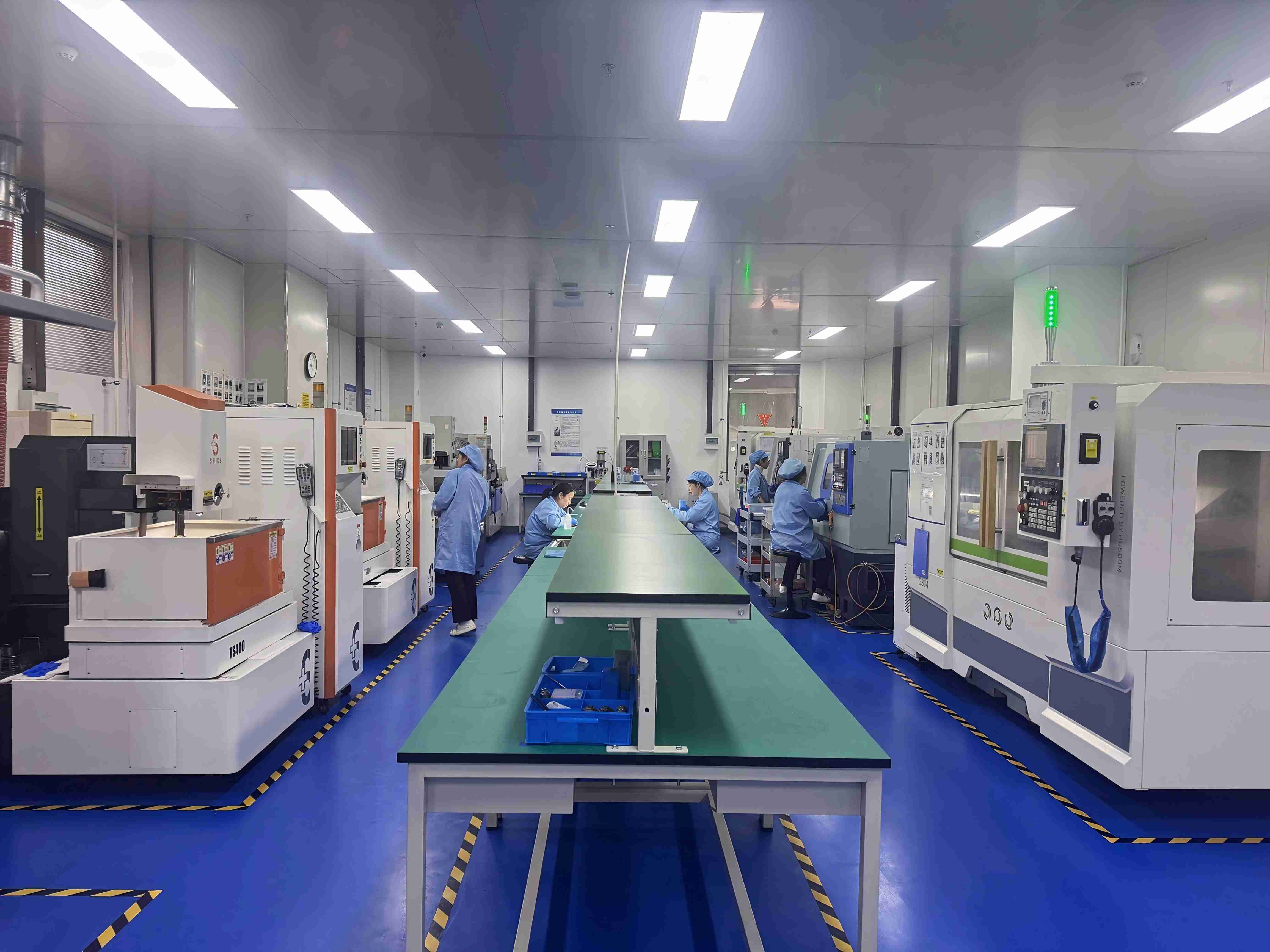
WINTIME workshop floor: process control supports repeatable blade geometry.
Use Cases: Where This Selection Logic Applies
Turbine blade alloy cut-off and slotting. High-value alloy parts benefit from a rigid blade and a validated cut profile. The DZR-S Series is the first family to review because alloy material cutting is a published application. The final choice should be confirmed on the exact alloy and machine.
Functional ceramic cutting. WINTIME lists functional ceramic cutting for the DZR-S Series. Ceramic cutting places a premium on edge quality and stable blade geometry, so the same validation sequence applies.
Semiconductor packaging component cutting. The DZR-S Series is also described for semiconductor packaging component cutting, where dimensional consistency and contamination control matter.
Optical communication and new functional materials. The DZR Series is described for semiconductor, optical communication, and new functional-material industries. Its metallic nickel and diamond abrasive construction is a relevant starting point when the application overlaps with these material families.
Semiconductor wafer cutting. The DZY Series integrates the blade with an aluminum alloy flange and is described for high-precision wafer cutting in semiconductor packaging. It is useful when a wafer-based cutting cell and integrated flange architecture are part of the machine interface.
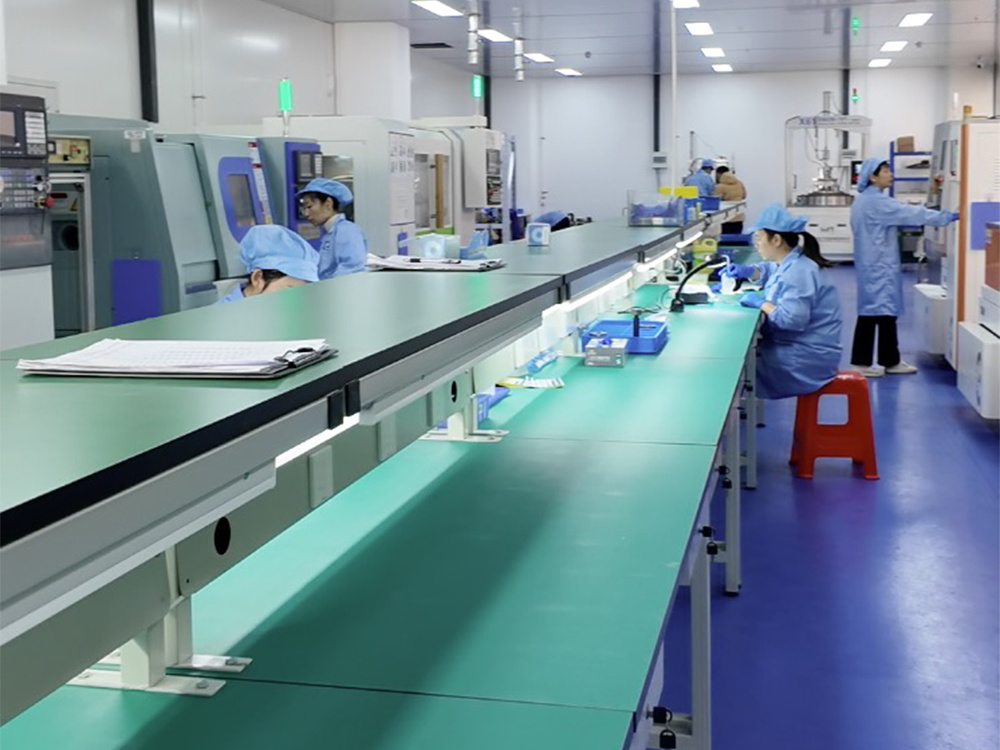
WINTIME workshop: application evaluation should include the actual material and machine interface.
FAQ
What quality controls should a buyer review before approving a sawing blade for low-tolerance alloy cutting?
WINTIME's published quality control includes geometric dimension inspection with vernier caliper and laser diameter gauge, hardness and wear-resistance testing, dynamic balance detection, and cutting performance simulation testing. Project-specific compliance documents should be requested directly because the published materials do not list a specific certification.
Can WINTIME customize a sawing blade for a specific alloy and machine interface?
Yes. WINTIME offers OEM, ODM, and customized production. Published customization includes blade diameter, thickness, spindle hole size, bond type such as metal or resin bond, diamond abrasive grain size and concentration, coating for anti-rust, heat-dissipation, or wear resistance, cutting performance targets, packaging, and special-shaped blade customization.
What is the minimum order for standard and customized sawing blades?
WINTIME publishes an MOQ of 50 pieces for standard products and 300 pieces for customized products, with flexibility for long-term cooperative customers. Pricing is not published, so buyers should request a quotation after the blade family and specification are confirmed.
How should a buyer validate a sawing blade sample before production?
Run the sample in the same spindle, coolant, fixture, and temperature-controlled conditions as production. Check kerf consistency, edge quality, dimensional stability, and vibration behavior. WINTIME's published after-sales support includes cutting process matching and equipment adaptation, which can help align the blade to the machine before a larger order.
What lead time should buyers plan for standard versus customized sawing blades?
WINTIME publishes a lead time of 2-5 working days for standard products and 10-25 working days for customized orders, adjustable for large orders. For a turbine blade alloy project, start with a sample request and confirm the slot profile, bond, and diamond specification before mass production. Buyers can request a sample or quote through the WINTIME website, email shenxiangfei@ntwintime.com, or WhatsApp +8618888053207.
Conclusion: Make the Sawing Blade Part of the Tolerance Solution
Low-tolerance cutting in turbine blade alloys is a system problem, but the sawing blade is one of the few variables a buyer can control directly. A rigid blade, published dimensional accuracy, a material-matched construction, and a sample trial in the production cell are more reliable than adjusting feed and speed after scrap appears.
For evaluation, start with the DZR-S Series Slotted Sawing Blade when alloy material cutting and a slotted profile are required. Use the DZR Series when the nickel-diamond construction and functional-material applications fit the project. Use the DZY Series when an integrated aluminum alloy flange and wafer-based cutting cell are relevant. Confirm every choice with WINTIME's published quality controls and a sample run.
Next step for buyers: request a sawing blade sample, technical datasheet, or quotation from WINTIME Semiconductor Technology Co., Ltd.
Website: https://en.wintime.net.cn
Email: shenxiangfei@ntwintime.com
WhatsApp: +8618888053207
Download the WINTIME brochure (PDF): WINTIME product brochure
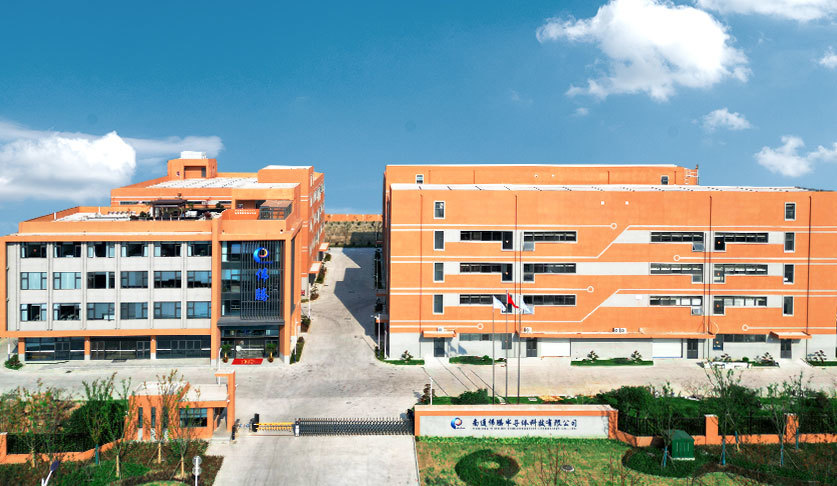
CTA: contact WINTIME for a sawing blade sample, datasheet, or quotation.
Have Questions or Need More Details?
Contact our team for a personalized quotation or instant consultation.
Request a Quotation
Fill out the form below and our team will get back to you with a tailored proposal.
WhatsApp Direct Chat
Prefer to chat in real-time? Message us on WhatsApp for instant assistance & quick answers.
- Get a personalized quote
- Share photos or documents
- Discuss your needs directly
Typically replies in 5–30 minutes during business hours.