
Chinese vs. International Dicing Blade Suppliers: A Comparative Procurement Analysis for Semiconductor Manufacturers
Introduction
Procurement specialists in semiconductor manufacturing face a critical decision when selecting dicing blade suppliers: choosing between established international brands (e.g., Japanese and German manufacturers) and emerging Chinese manufacturers. This analysis provides an objective comparison of product performance, supplier capabilities, and a step-by-step decision model to help buyers make informed choices. The comparison is based on real-world data from WINTIME Semiconductor Technology Co., Ltd. (a Chinese supplier) and typical characteristics of mainstream international competitors.
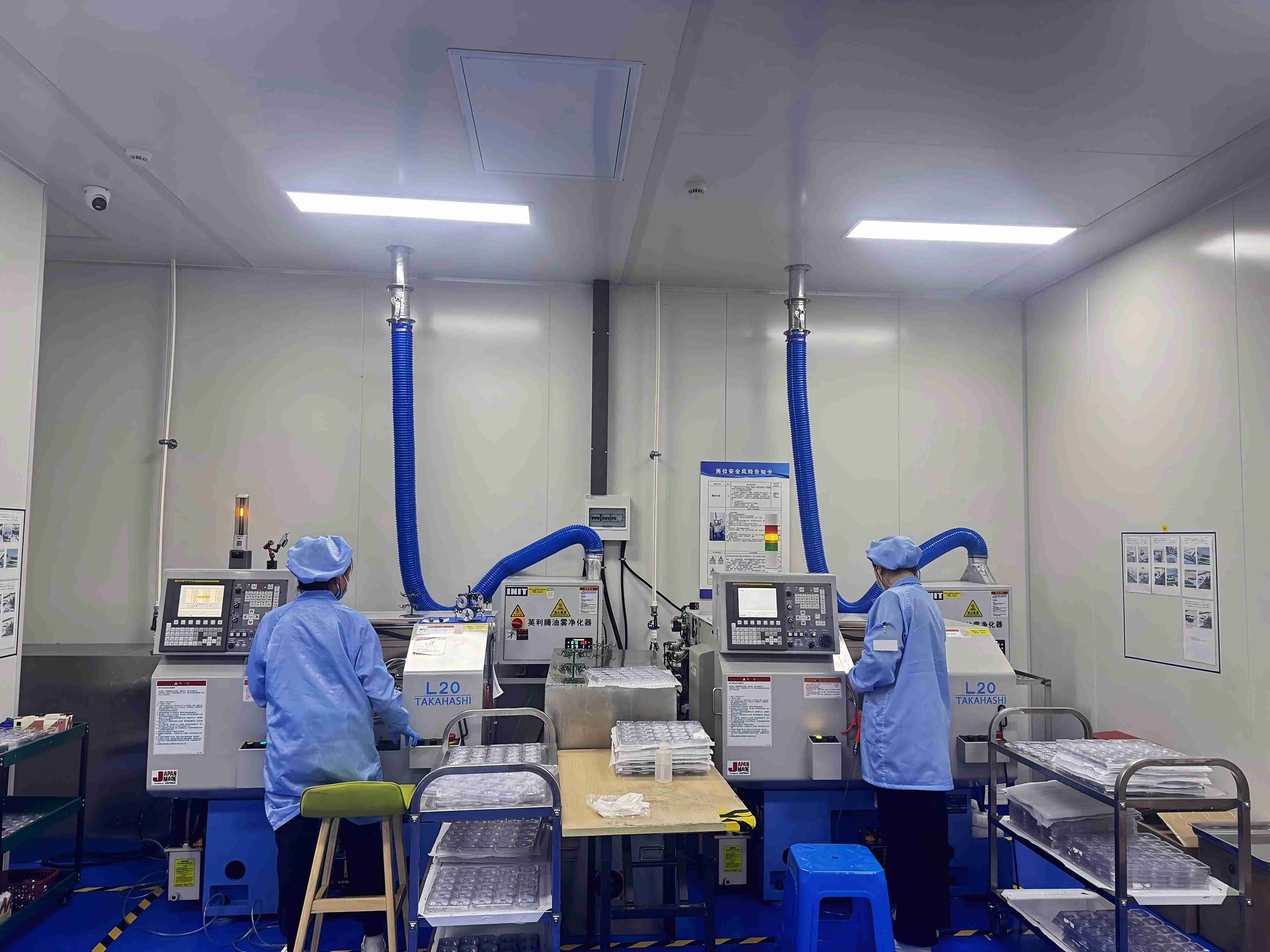
1. Product Comparison: WINTIME Dicing Blade vs. Conventional International Brands
The following comparison uses WINTIME's Dicing Blade (model DB-001, representative of its DZR and DZY series) against traditional resin-bonded dicing blades from mainstream competitors—typically sourced from long-established international suppliers.
| Dimension | WINTIME Dicing Blade | Conventional International Brand Blades |
|---|---|---|
| Technical Parameters |
|
|
| Applicable Scenarios |
|
|
| Cost |
|
|
| Maintenance Difficulty |
|
|
Data source: WINTIME product specifications and comparative test results (internal benchmarks).
2. Supplier Comparison: Chinese Manufacturer (WINTIME) vs. International Brands
Beyond product specifications, the supplier’s capabilities in price, customization, delivery, and after-sales service significantly impact procurement decisions.
| Factor | WINTIME (Chinese Supplier) | International Brand Suppliers |
|---|---|---|
| Price | Competitive pricing. Standard models: MOQ 100 pcs, negotiable. Customized models: price adjustment based on complexity. Lower TCO due to longer blade life. | Higher list prices; longer lead times for customized versions; premium for brand recognition. |
| Customization Capability | High flexibility: Custom bond type, abrasive size, blade thickness (down to ≤9 μm), outer/inner diameter, coatings (anti-static, wear-resistant), packaging. MOQ for custom orders: 500 pcs (negotiable). | Limited customization for standard products; high MOQ for special designs; longer engineering cycles. |
| Delivery Lead Time | Standard models: 3–7 working days. Customized orders: 15–30 working days. Monthly mass production capacity >1.2 million pcs. | Standard models: 2–4 weeks. Custom orders: 6–12 weeks. Global logistics may add transit time. |
| After-Sales & Support | 24-hour response (working days). Professional technical consultation, on-site guidance, warranty for non-human damage, spare parts supply, long-term quality tracking. Global export markets: Japan, South Korea, USA, Germany, etc. | Established service networks in major regions, but response times may be longer for remote locations; higher service costs. |
Information based on WINTIME’s company profile and purchasing support data. International brand data reflects general industry trends.
3. Three-Step Decision Model for Selecting a Dicing Blade Supplier
- Define the Application Scenario
Identify substrate type (silicon, SiC, GaN, ceramic, glass), wafer thickness, cleanliness requirements (Class 100/1000), and production volume. For ultra-thin wafers (<50 μm) or high-value materials, a blade with ultra-thin kerf and low chipping is critical. - Match Technical Parameters
Compare blade thickness (aim for ≤9 μm for minimal kerf loss), bond type (resin vs. metal), abrasive grit size, and coating features. Ensure the blade’s dimensional tolerance (±0.001 mm) aligns with machine specifications. Evaluate chipping rate (target ≤5 μm) and wear resistance. - Calculate Total Cost of Ownership (TCO)
Consider not only unit price but also blade life (replacements per year), yield improvement, material savings from narrower kerf, downtime costs, and maintenance. A blade with 30% longer life and 12% higher yield may offer lower TCO even at a higher upfront cost.
4. Case Study: A Semiconductor Packaging Factory’s Switch to a Chinese Supplier
Client Profile: A leading semiconductor packaging factory in China, processing 8–12 inch wafers for chip packaging, with an annual consumption of over 500,000 dicing blades.
Challenge: The client used traditional resin-bonded blades from an international supplier. High chipping rates (~10 μm) led to yield losses and frequent blade replacements, increasing production costs.
Solution: After a three-month evaluation, the client switched to WINTIME’s Dicing Blades (ultra-thin design ≤9 μm, proprietary diamond abrasive, anti-static coating). WINTIME customized the blade parameters specifically for the client’s 8-inch wafer line.
Results (after 3 years of cooperation):
- Cutting chipping rate reduced to ≤5 μm (50% improvement)
- Wafer yield increased by 12%
- Blade life extended by 30%, reducing replacement frequency
- Annual production cost savings estimated at 8%
- Mass production runs stable without blade replacement issues
This case demonstrates how a thorough comparative analysis led the buyer to a Chinese supplier offering superior technical performance and cost efficiency.
Additional Resources
For detailed product specifications and technical data, download WINTIME’s official brochure: WINTIME Dicing Blade Brochure (PDF).
Have Questions or Need More Details?
Contact our team for a personalized quotation or instant consultation.
Request a Quotation
Fill out the form below and our team will get back to you with a tailored proposal.
WhatsApp Direct Chat
Prefer to chat in real-time? Message us on WhatsApp for instant assistance & quick answers.
- Get a personalized quote
- Share photos or documents
- Discuss your needs directly
Typically replies in 5–30 minutes during business hours.