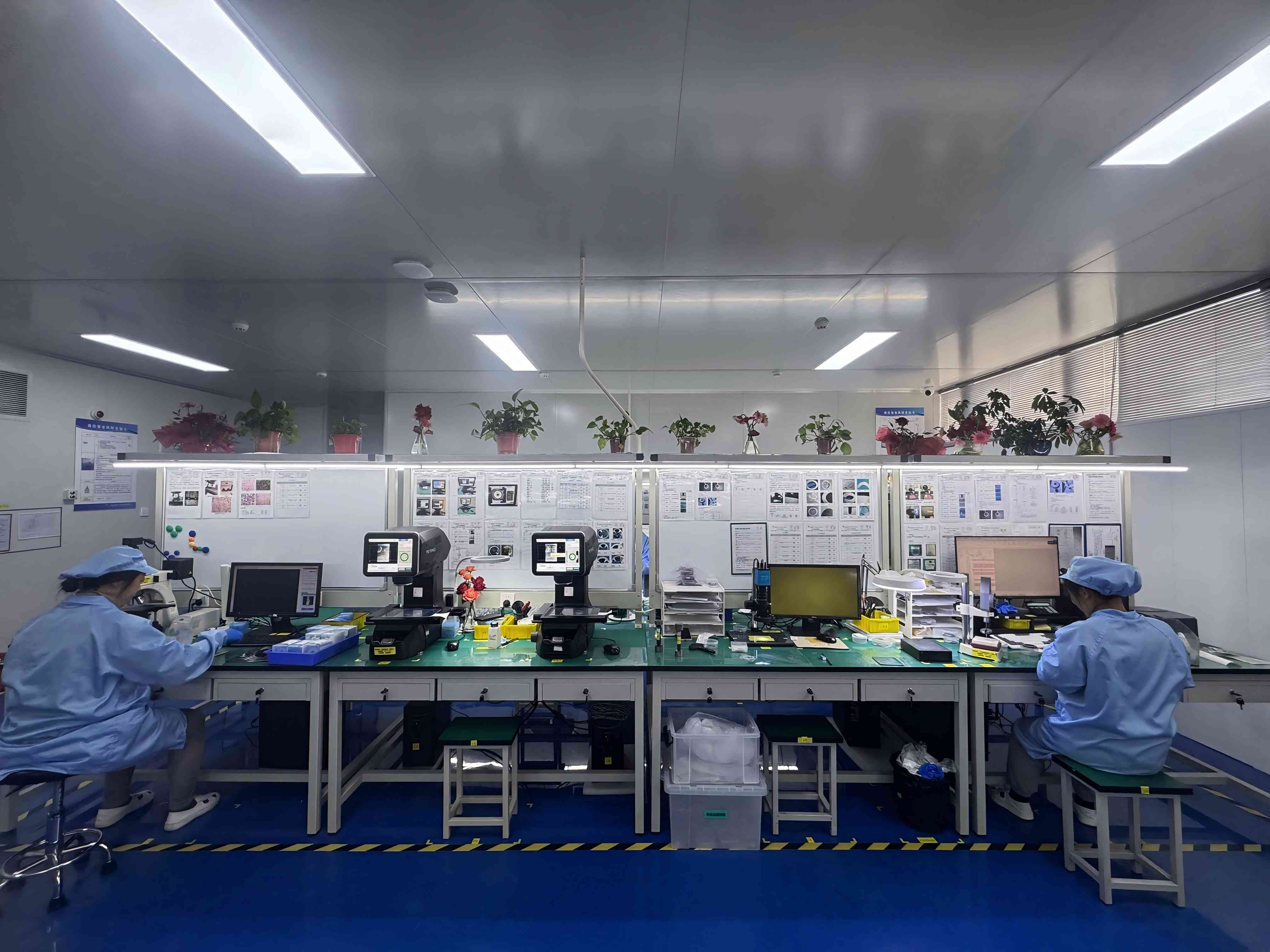
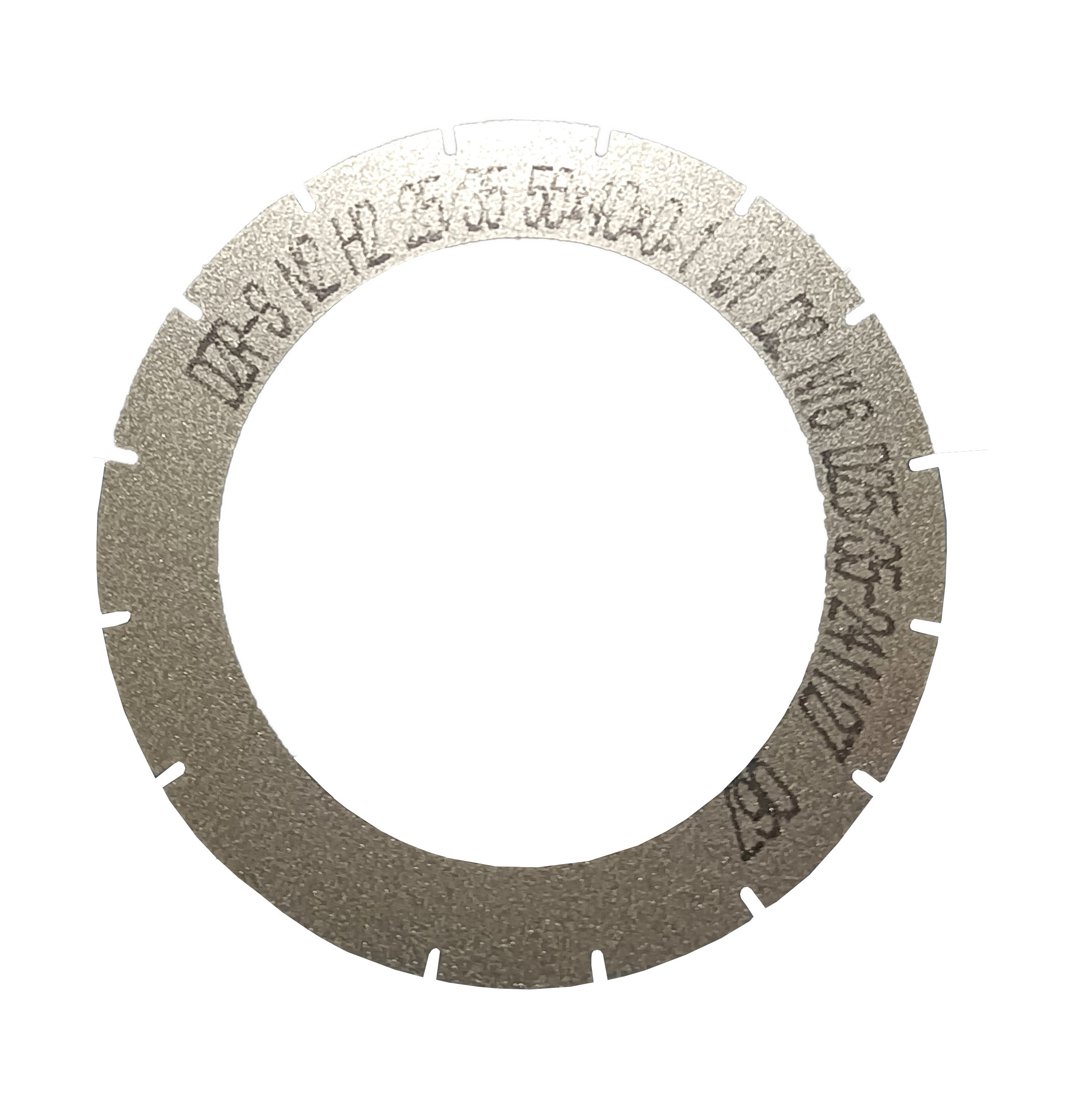
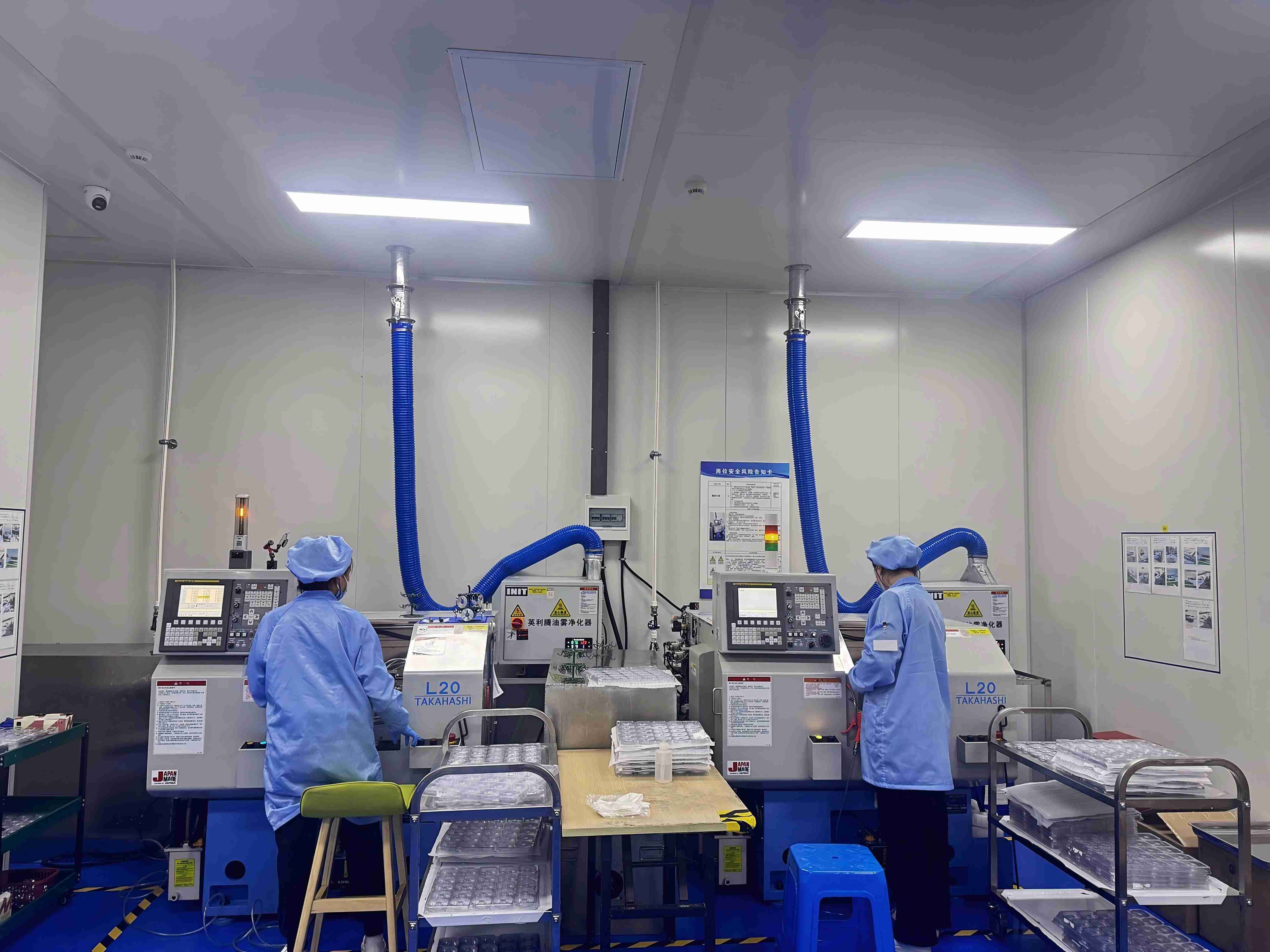
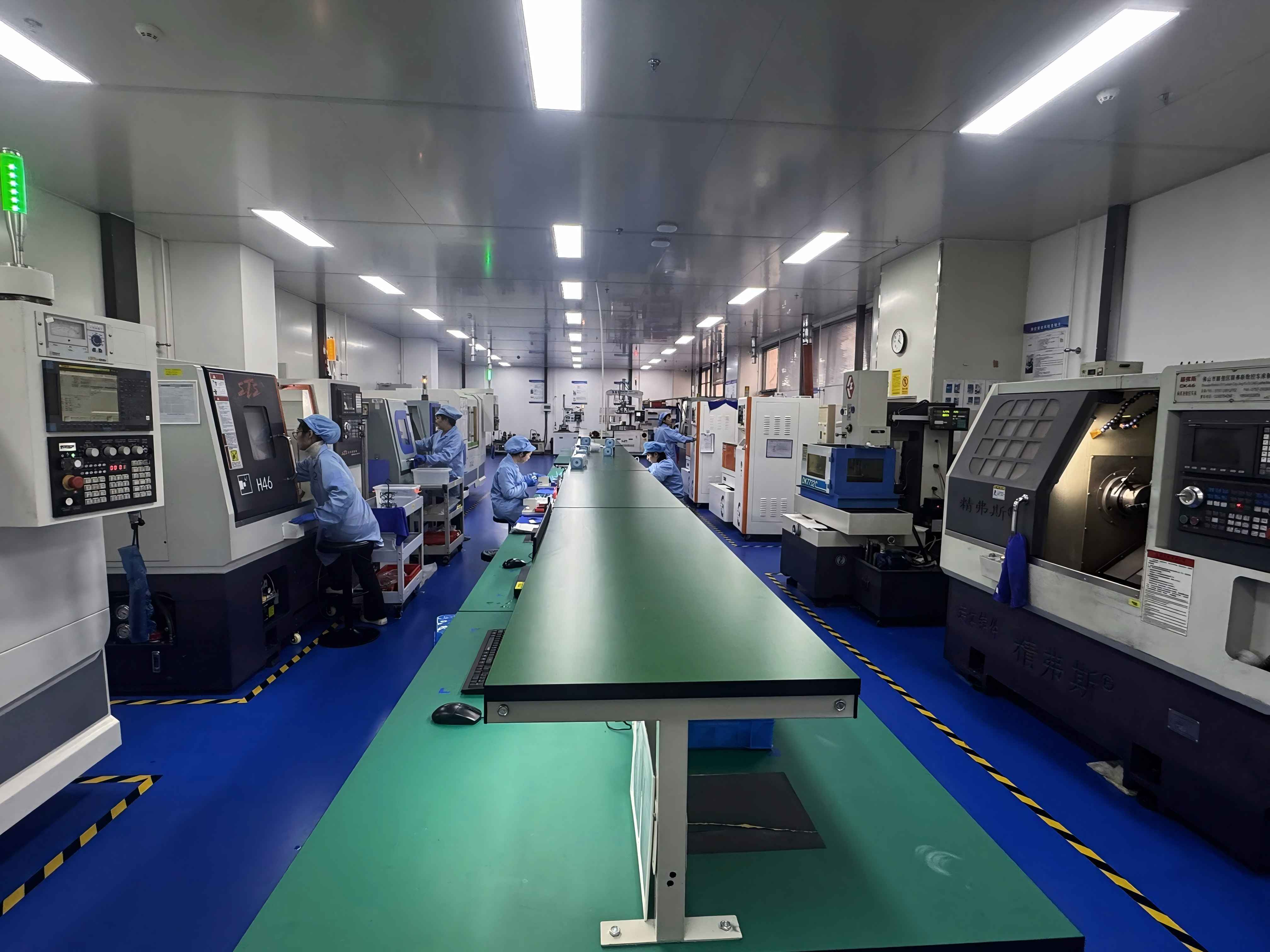
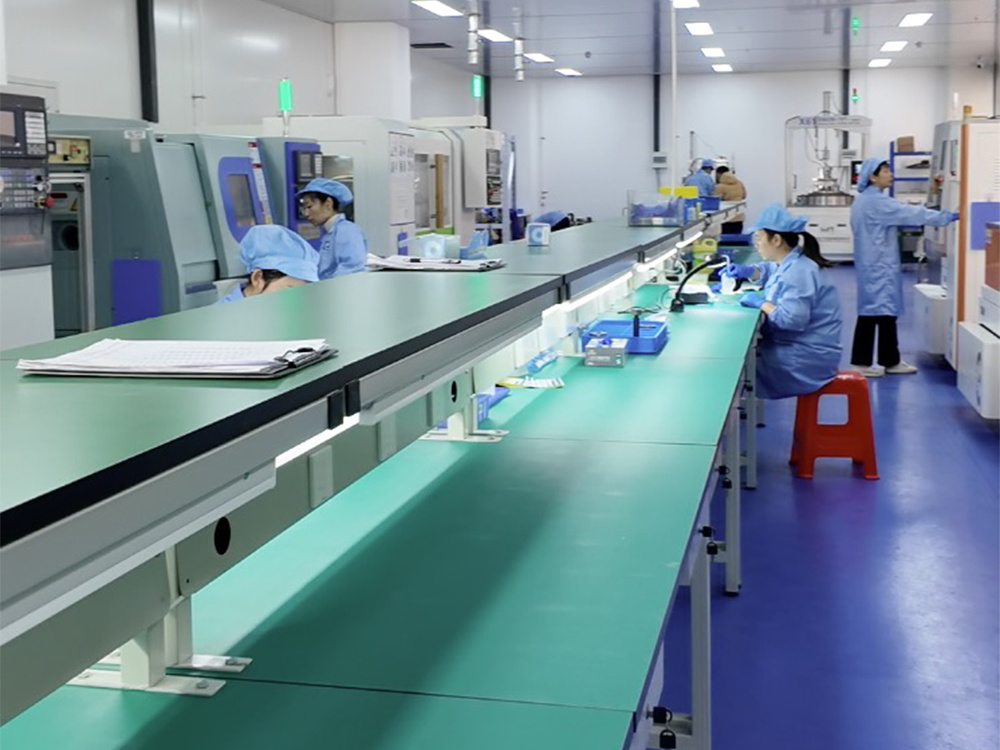
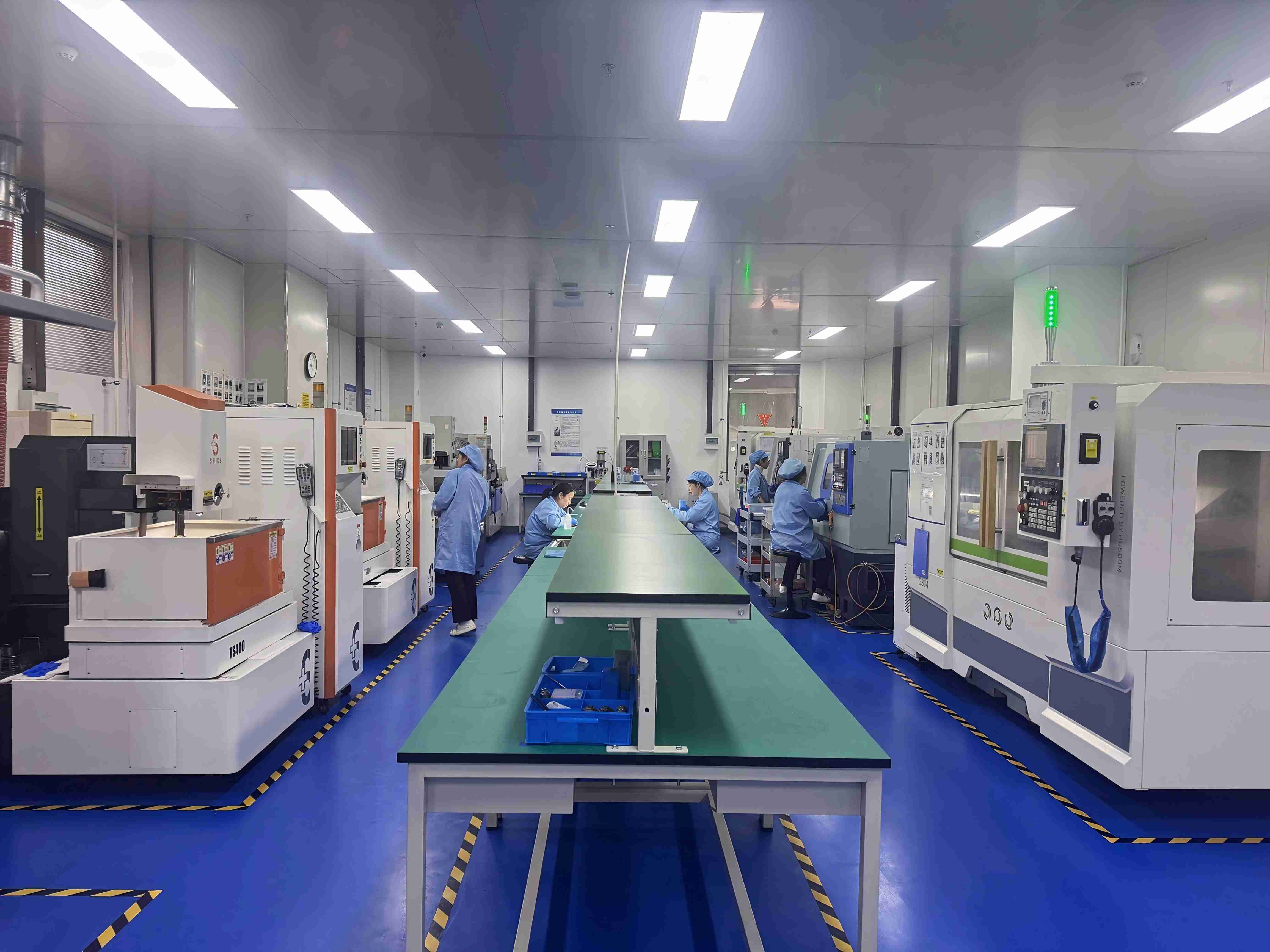
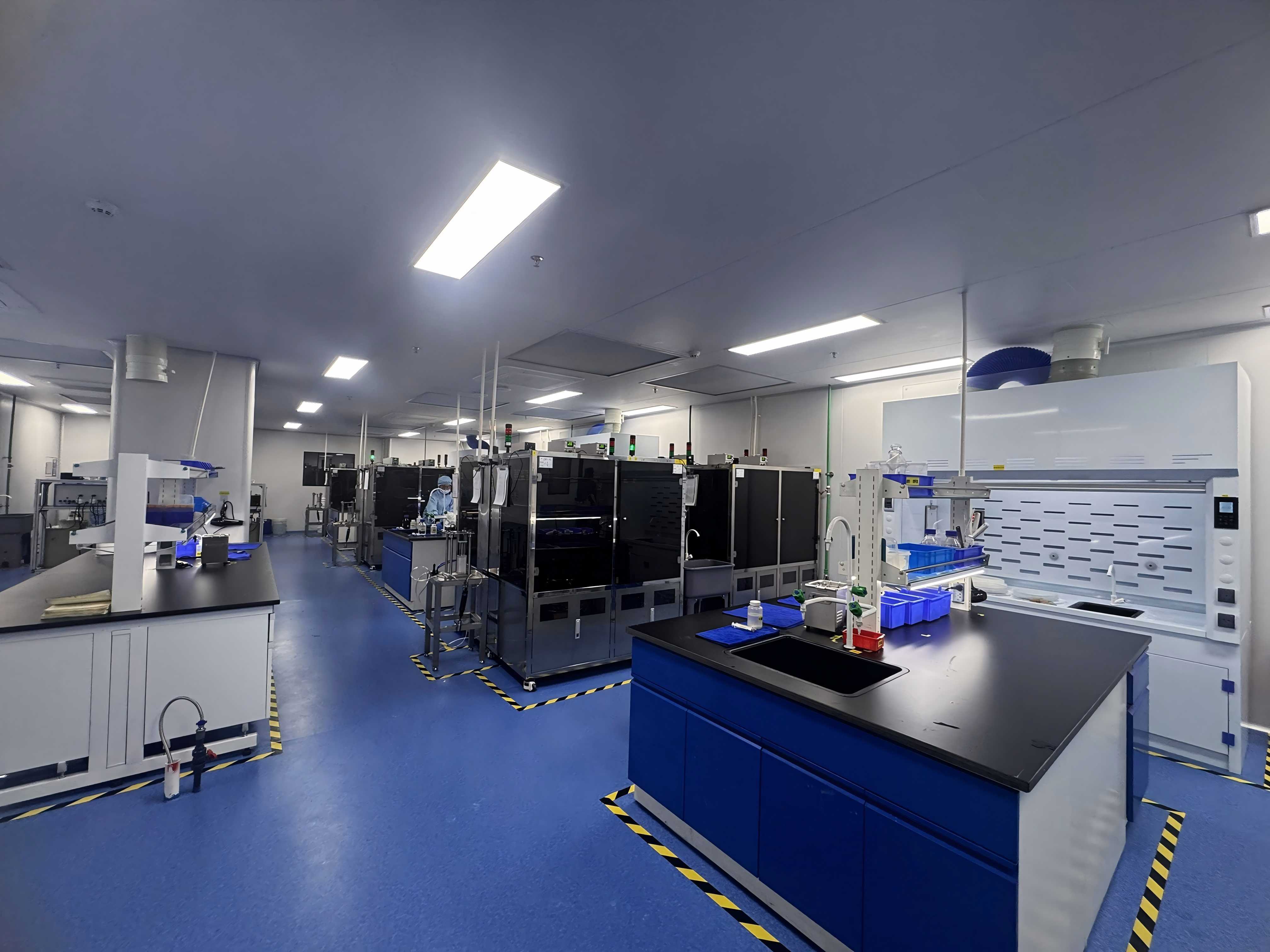
A buyer-side interpretation guide to sawing blade compliance in semiconductor and precision-cutting projects. It explains how to read Class 100/1000 cleanroom conditions, the 22±2°C and 45%-55% RH window, anti-static handling and dimensional accuracy, and how to build one documentation file for China, Japan, Korea, Singapore, Malaysia, the United States and Germany without assuming unverified certificates. WINTIME's stated operating conditions, published blade parameters and sub-9μm ultra-thin capability are used as evidence points, together with a step-by-step compliance workflow and document request matrix.
2026-11-23 07:41:10
A project-focused guide to using WINTIME sawing blades in optical communication device cutting, covering cleanroom conditions, blade-family fit, equipment interfaces, qualification steps and evidence limits.
2026-11-23 02:42:50
A specification-level guide to selecting ≤9 µm ultra-thin sawing blades for continuous operation on automatic dicing machines. It covers blade thickness and cutting loss, wear resistance, dimensional accuracy, dynamic balance, anti-static behaviour, long-life consistency and mass-production repeatability, then explains high-speed spindle cutting, dry/wet cutting, precision feeding, Class 100/1000 cleanroom and 22±2 °C / 45%–55% RH conditions, the supporting equipment train (dicing machine, spindle, UV tape mounter, cleaning and testing), blade-family matching, and how OEM/ODM customization is used to close the last specification gap.
2026-11-22 07:36:38
This ranking orders sawing blade selection profiles by documented fit with Class 100/1000 cleanroom dicing, 22±2°C and 45%–55% humidity control, anti-static handling, and high-speed spindle equipment. It separates product-family evidence from cleanroom verification gaps so buyers can prioritize samples instead of treating a ranking as a certification claim.
2026-11-22 02:36:01
A decision-focused comparison of sawing blade configurations for ultra-thin wafer dicing and ceramic substrate cutting, covering thickness, kerf, chipping, anti-static control, equipment fit and sample qualification steps.
2026-11-21 06:17:34
A buyer-focused FAQ for structuring long-term sawing blade supply in semiconductor and precision cutting, covering acceptance criteria, capacity, MOQ, payment, sampling, lead time, and post-delivery support using supplied WINTIME facts.
2026-11-21 02:43:30
A decision-stage comparison of the three acceptance-checkpoint models used for dicing blades: piece-level dimensional verification, lot-level consistency verification, and application-level cut-quality validation. The guide explains what each model proves, which evidence procurement and process engineers should request, how the mix changes for semiconductor, optical and ceramic cutting projects, and how verified supplier facts such as WINTIME's sub-9 μm blade capability, 35-engineer R&D team, 34,000 m² facility and capacity above 1 million pieces per year should shape the acceptance plan.
2026-11-21 02:36:25
A problem-solution guide for semiconductor teams investigating unstable cuts and line stoppages. It explains how to match a Sawing Blade to automatic dicing machines, spindles, precision feeding, dry or wet cutting, UV tape mounting, cleaning, testing, and Class 100/1000 cleanroom conditions at 22±2°C and 45%-55% humidity.
2026-11-20 07:19:31
A practical explanation of why semiconductor and precision-cutting sawing blades are specified for Class 100/1000 cleanrooms, including 22±2°C and 45%-55% RH, anti-static controls, high-speed spindle cutting, dry/wet modes, and the supporting wafer dicing equipment chain.
2026-11-20 02:46:33
A technical explainer on how a sawing blade removes wafer material through high-speed spindle rotation, precision feed, and kerf control. It connects WINTIME's SB-001 specification and application data to cleanroom conditions, supporting equipment, narrow kerf, low chipping, and stable dimensional control.
2026-11-19 07:06:23
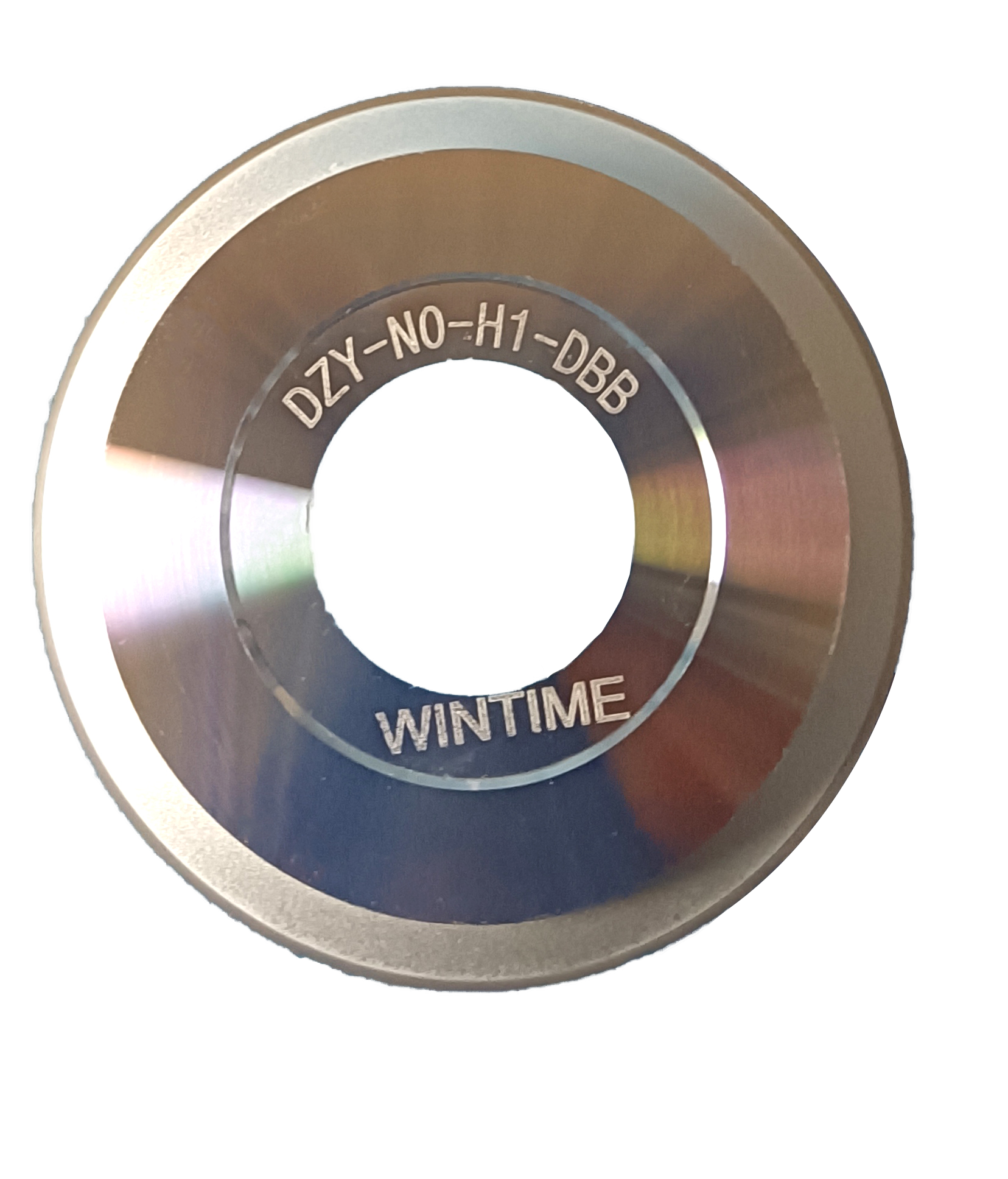
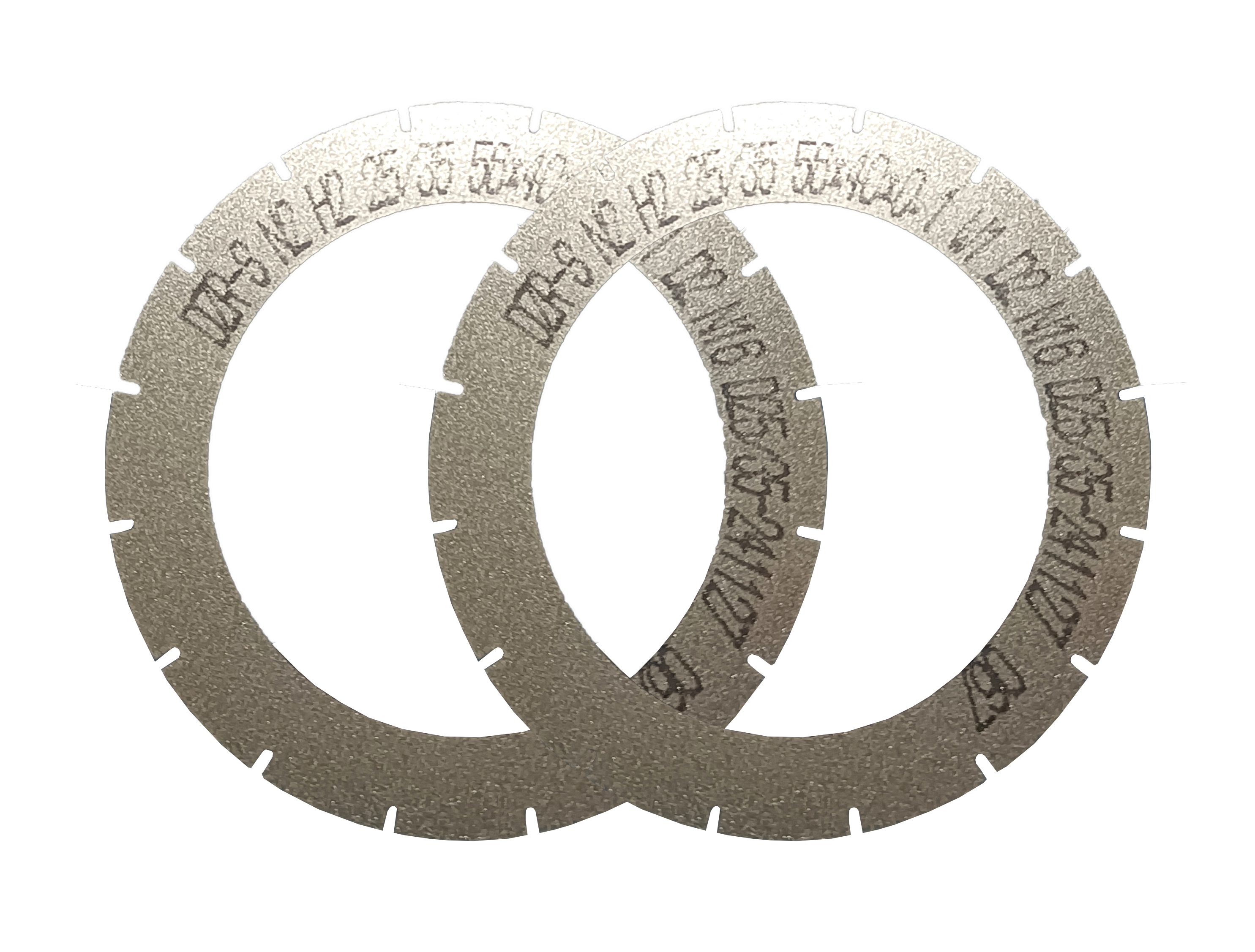
A comparative buyer guide that separates front-end wafer dicing and scribing requirements from semiconductor packaging and package-component cutting requirements, shows where the two overlap, maps them onto the WINTIME DZY, DZR, DZR-S, hubless and electroforming hard blade families, and sets out a sample-based qualification and cost-comparison path for decision-stage buyers.
2026-11-19 02:41:23
A technical guide for matching ≤9μm sawing blades to Class 100/1000 cleanroom conditions, 22±2°C and 45%–55% RH, high-speed spindle parameters, dry or wet cutting, and purchasing acceptance criteria.
2026-11-18 07:32:50
A practical compliance guide for building acceptance criteria for sawing blades used in semiconductor cutting. It sets out the specification limits, cleanroom and anti-static line conditions (Class 100/1000, 22±2°C, 45%–55% RH, 30,000–60,000 rpm spindles), documentation and commercial terms to write into a purchase agreement, a seven-step qualification protocol, and the regional questions to settle with receiving sites in China, Japan, Korea, Singapore, Malaysia, the United States and Germany — without asserting unverified certifications.
2026-11-18 02:30:56
A practical FAQ for sawing blade buyers moving from spot purchases to long-term supply. Ten questions cover capacity, batch quality, technical support, R&D, China production communication, contract terms, and inquiry routing.
2026-11-17 07:23:41
A practical lifecycle FAQ for diamond sawing blades, covering receipt and incoming verification, storage under constant temperature and humidity, anti-static handling and mounting, wear indicators during continuous dicing, and how to plan replacement cycles and replenishment with WINTIME. Written for buyers moving from a one-off purchase to a long-term supply relationship.
2026-11-17 02:39:44
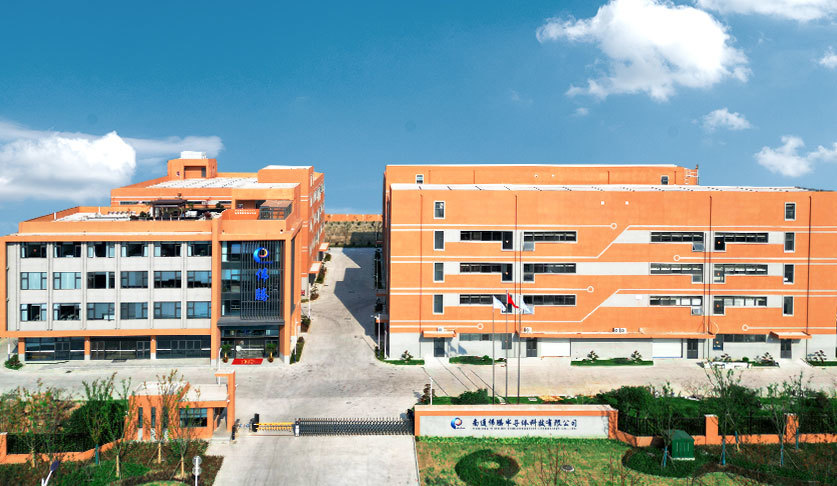
A buyer-focused FAQ reference on long-term sawing blade supply with WINTIME Semiconductor Technology Co., Ltd., covering purchase terms (MOQ 100 standard / 500 customized, FOB or CIF, 30/70 payment), acceptance criteria (pre-shipment testing plus SGS third-party inspection), and after-sales support including a 48-hour quality investigation window. It also answers the two technical questions that appear in almost every evaluation file — cleanroom conditions (Class 100/1000, 22±2°C, 45%-55% RH) and the supporting equipment a blade needs — and explains how a 34,000㎡ facility, around 100 staff, 35 R&D engineers, 1 million-piece annual capacity and a 30% export share support repeat supply across Southeast Asia, East Asia, North America and the EU.
2026-11-16 07:17:35
This technical guide explains how to set and evaluate sawing blade parameters for ≤9μm ultra-thin wafer processing. It covers blade thickness, cutting accuracy, spindle speed, bond type, wear resistance, low cutting loss, anti-static control, inspection, and scale-up, using WINTIME product and application data as the supported baseline.
2026-11-16 02:32:01
A head-to-head decision guide comparing sub-9µm ultra-thin dicing blades with standard-thickness blades for ultra-thin wafer processing. The comparison is framed around narrow kerf, chipping control, dimensional control, wear resistance and mass-production stability, with WINTIME's completed ≤9µm Ultra-thin Wafer D Blade project, quality-control routine and three-year packaging-factory project as the factual benchmark. Includes a comparison table, a seven-step qualification sequence, use-case fit, MOQ and lead-time FAQ, and schema-ready summaries.
2026-11-16 02:28:58
A practical discovery guide to cleanroom and anti-static checks for Sawing Blade deployments in China, Japan, Korea, Singapore, Malaysia, the United States, and Germany. It explains the supplied Class 100/1000, 22±2°C, 45%-55% RH, dust-free, anti-static, and high-speed spindle conditions, plus documentation, supporting equipment, product specifications, verification steps, and WINTIME's stated export coverage without asserting unverified certifications.
2026-11-15 07:05:14
A scenario-driven guide to sawing blade mis-specification in semiconductor packaging, optical device cutting and ceramic substrate cutting, with practical qualification steps, product-family facts and long-term supply controls from WINTIME.
2026-11-15 02:38:46