
Sawing Blade Selection for Precision Cutting: A Practical Guide
Sawing Blade Selection for Precision Cutting: A Practical Guide
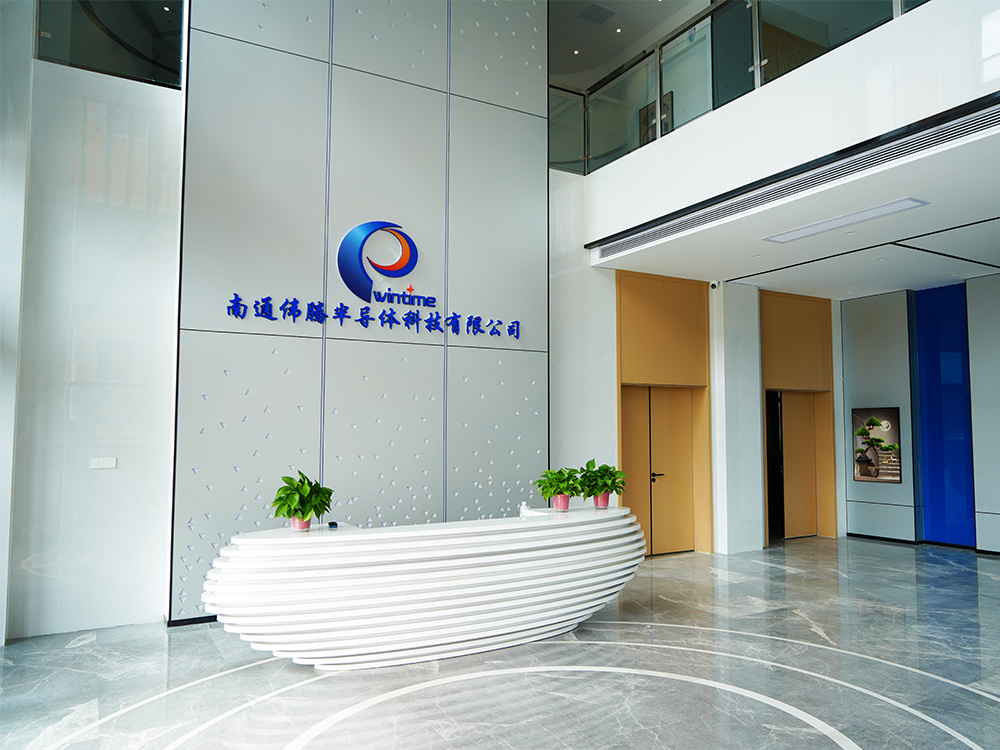
Choosing a sawing blade for precision cutting is a specification exercise before it is a purchasing decision. Substrate material, blade thickness, bond type, abrasive, spindle speed, and supplier quality controls all determine whether a blade will deliver stable cuts. WINTIME Semiconductor Technology Co., Ltd. is a sawing blade and dicing blade manufacturer established in 2020, with a 34,000 m² factory, 100 employees, and an annual output of 1 million pieces. Its product range includes multiple sawing blade series, and its documented SB-001 model provides a practical starting point for engineering and procurement teams.
In short, a sawing blade is suitable for a precision cutting task when its dimensional range, bond system, and cutting performance match the material and machine conditions. WINTIME's Sawing Blade (model SB-001) covers a thickness range of 8 µm to 50 µm, cutting accuracy of ±0.002 mm, and a spindle speed range of 30,000–60,000 rpm.
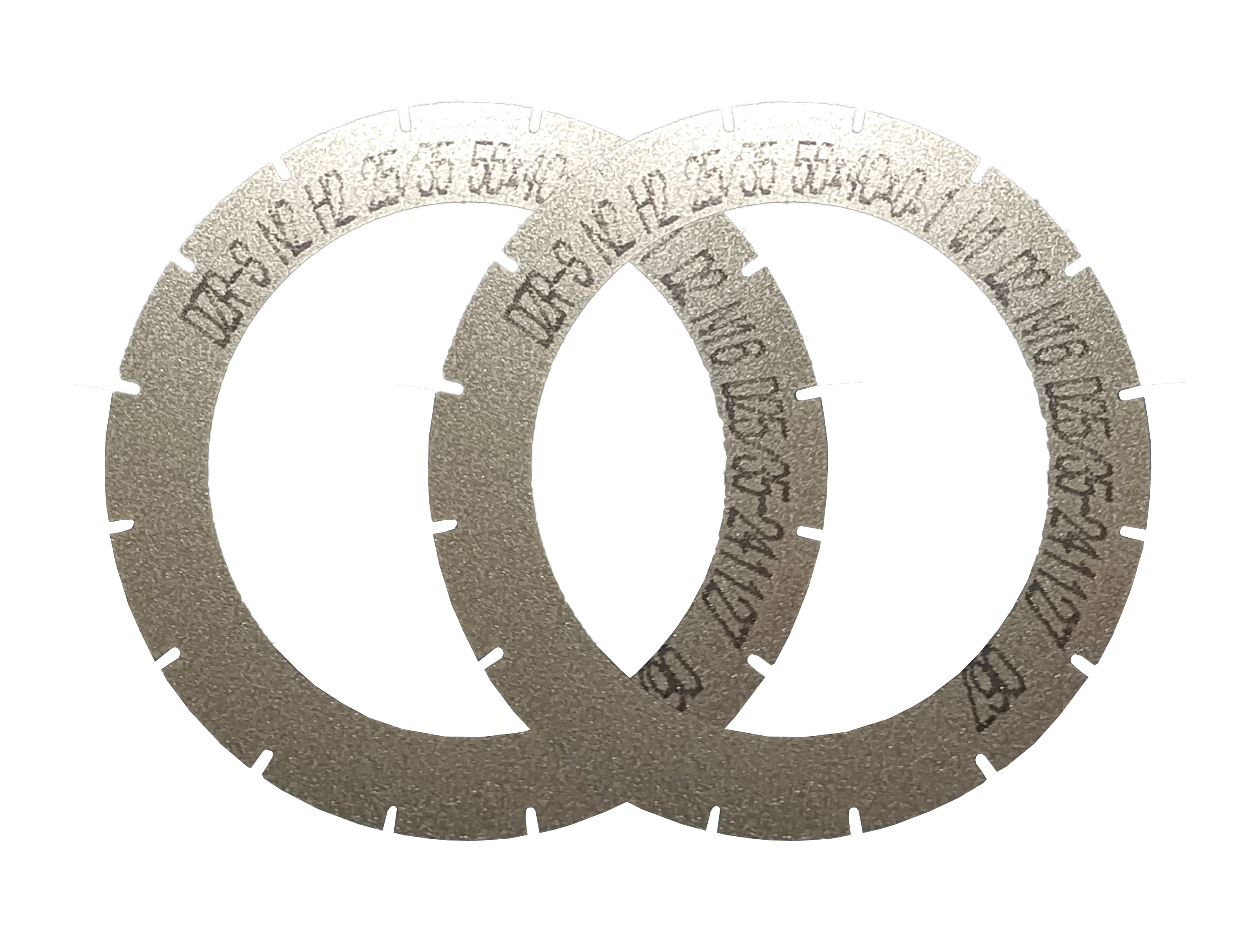
Problem Definition: Why Precision Sawing Blade Selection Is Difficult
High-precision cutting applications place conflicting demands on a sawing blade. A blade must be thin enough to reduce material loss, but strong enough to resist deflection at high spindle speeds. It must create a narrow kerf, control chipping, and maintain dimensional accuracy over a long service life. Small changes in blade thickness, bond hardness, or abrasive concentration can change the outcome on a wafer or ceramic substrate.
Buyers in Research and Evaluation stages often face the same questions: Which blade series fits a given material? Should the blade be resin bond or metal bond? Is a hubless design necessary for ultra-thin substrates? What quality-control evidence should a supplier provide? The remainder of this article answers these questions using WINTIME's documented product specifications and third-party market data.
Industry Background: Sawing Blade Market and Technology Trends
The global diamond saw blade market was valued at approximately USD 8.60 billion in 2025 and is expected to reach USD 10.16 billion by 2032, according to Maximize Market Research. The more specific wafer dicing blade market was valued at USD 1.19 billion in 2024, driven by semiconductor miniaturization and adoption of 300 mm wafers, according to Market Research Intel.
Blade type trends are visible in market data. According to the Dicing Blade Market Report 2026, resin bond blades held a 42% share of the dicing blade market in 2024, while metal bond blades accounted for 33% and are typically used for harder materials such as SiC. For wafer processing, hubless dicing blades are increasingly dominant on 300 mm lines because of their stability and reduced runout on substrates thinner than 50 µm, based on data from DataIntelo's diamond circular saw blade market report.
Applications outside semiconductors are also expanding. Optical communication and RF/optoelectronics accounted for 16% of the dicing blade market in 2024, driven by 5G infrastructure expansion, according to Intel Market Research. In terms of standards, diamond tools including sawing blades are categorized under ISO 22180:2019, which distinguishes CVD diamond-coated and monocrystalline/polycrystalline diamond types.
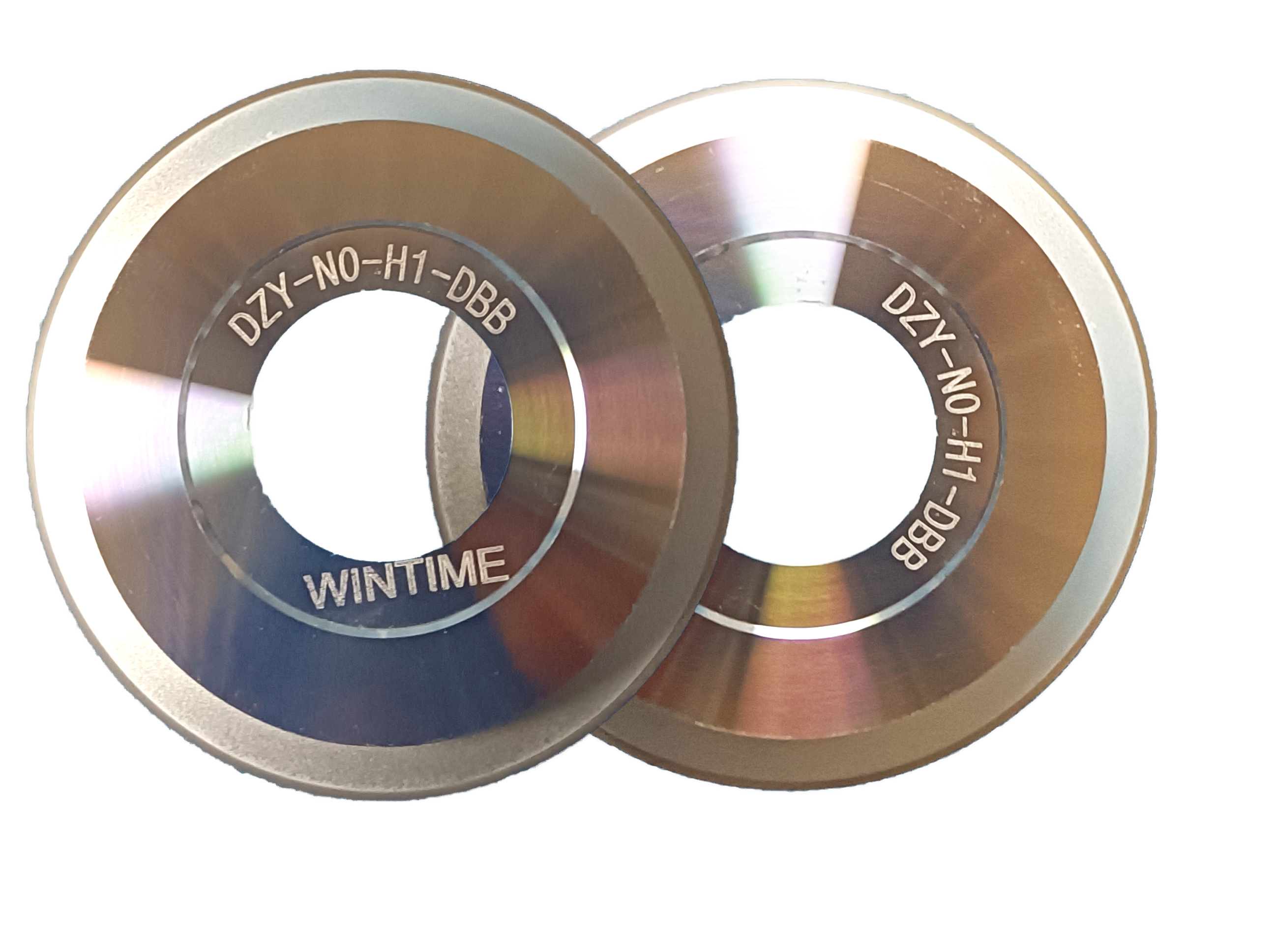
Detailed Solution: WINTIME Sawing Blade Parameters and Product Families
WINTIME Semiconductor Technology Co., Ltd. integrates research, development, production, and sales of high-precision cutting blades. Its main products are sawing blades and dicing blades. In 2023, the company completed the Nantong WINTIME Semiconductor Special Materials Project, adding a new factory and auxiliary buildings of approximately 34,000 m², and reached an annual production capacity of more than 1 million dicing blades.
Sawing Blade Specifications
The WINTIME Sawing Blade model SB-001 is documented with the following parameters:
- Thickness range: 8 µm – 50 µm
- Cutting accuracy: ±0.002 mm
- Spindle speed: 30,000 – 60,000 rpm
- Hardness: HRC 65 – 70
- Bond type: resin / metal
- Chip removal rate: ≥1.2 mm³/s
- Bond matrix: resin or metal; abrasive: diamond superabrasive; base: high-strength steel
Available product configurations include diamond sawing blade, precision sawing blade, semiconductor sawing blade, circular sawing blade, hubbed sawing blade, hubless sawing blade, flanged sawing blade, serrated sawing blade, DZY Series Wafer Sawing Blade, DZR Series Sawing Blade, and DZR-S Series Slotted Sawing Blade.
Because the SB-001 specification includes both resin and metal bond types, the same platform can be matched to different work materials. Resin bond blades are common in wafer dicing applications, while metal bond blades are more relevant for harder materials such as SiC, based on the 2024 market share data cited above.
Quality Control and Production Capability
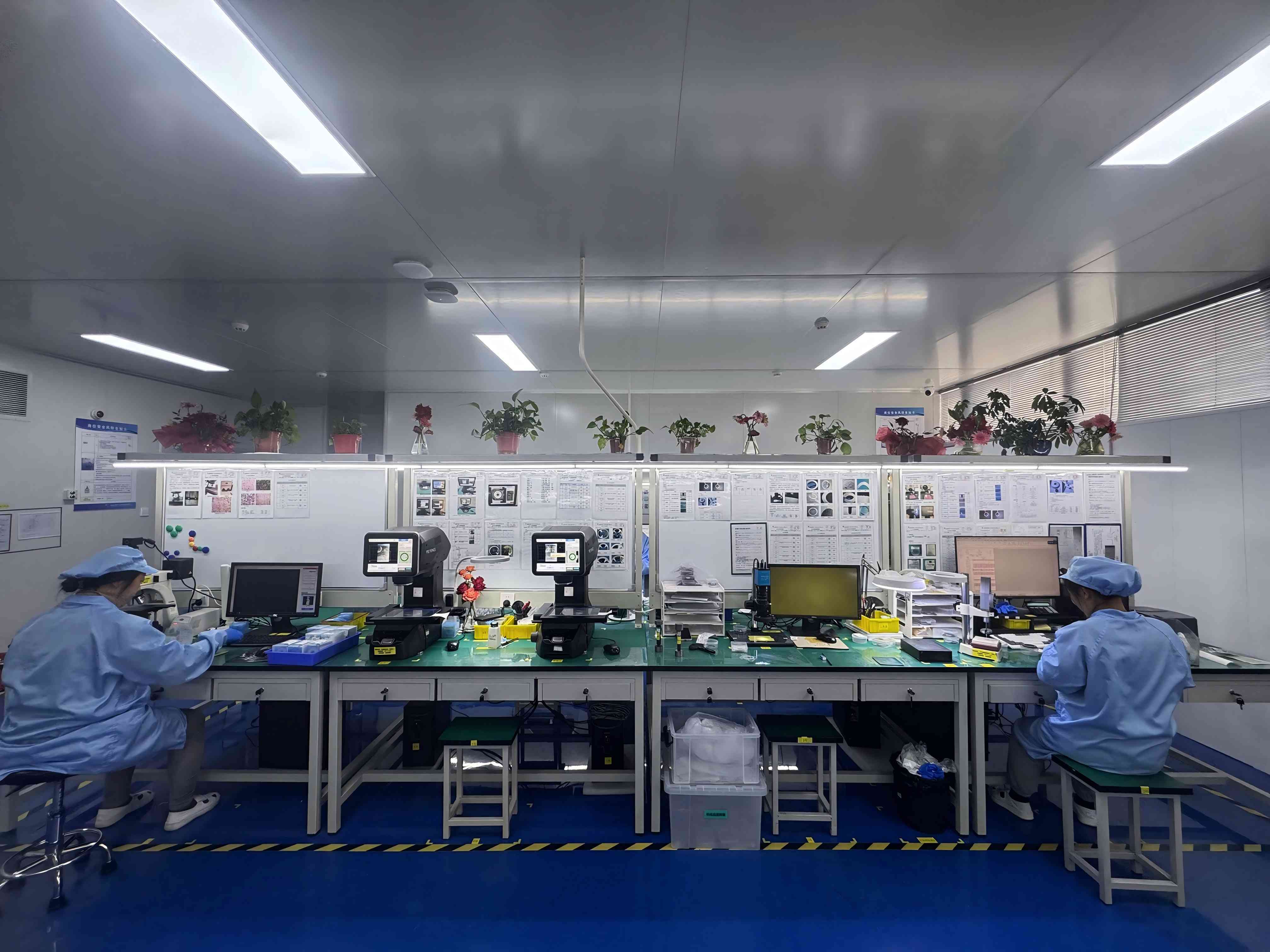
Quality control matters because a sawing blade is consumed in a high-speed, high-value process. WINTIME's documented quality checks include geometric dimension inspection, hardness and wear resistance testing, dynamic balance detection, and cutting performance simulation testing using actual materials.
The company's production capability is supported by a monthly capacity of 800,000+ pieces for standard specifications and 80,000+ pieces for customized and special-shaped products. It has 2 patent technologies and has completed an "Ultra-thin Wafer D Blade" project with process thickness below 9 µm. According to the company profile, it is one of the few domestic manufacturers able to mass-produce this type of blade.
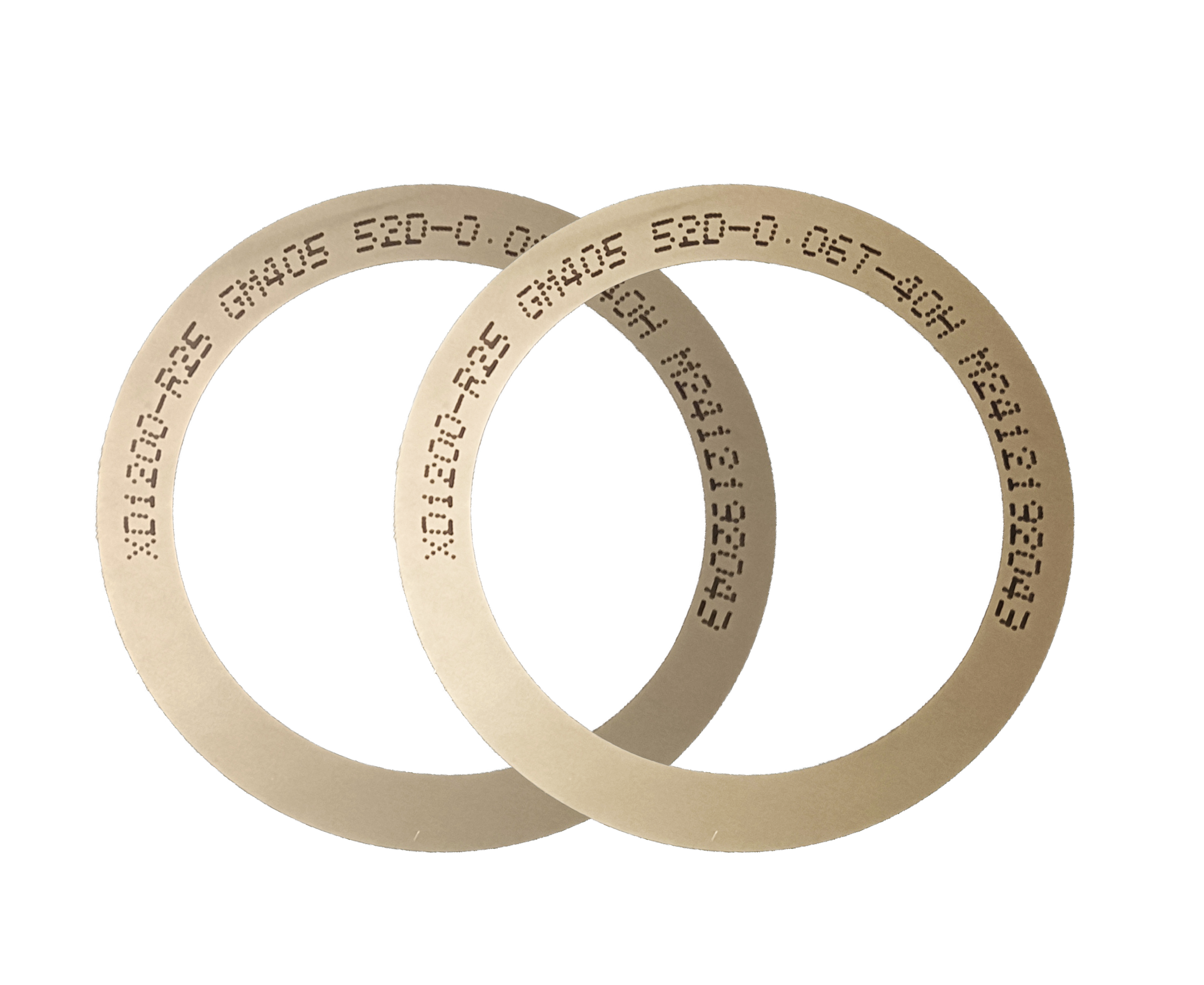
Customization and Supply Flexibility
For engineering teams and buyers who cannot use a standard blade, WINTIME offers OEM, ODM, and customized production. Documented customization points include blade diameter, thickness, spindle hole size, bond type, diamond abrasive grain size and concentration, coating, cutting performance, packaging, and special-shaped blade dimensions.
- Monthly capacity: 800,000+ pieces for standard specifications; 80,000+ pieces for customized and special-shaped products
- Lead time: 2–5 working days for standard products; 10–25 working days for customized orders, adjustable for large orders
- MOQ: 50 pieces for standard products; 300 pieces for customized products, flexible for long-term cooperative customers
Export markets documented for WINTIME include China, Southeast Asia, the Middle East, the European Union, the United States, Canada, Australia, South America, and Africa. After-sales support includes cutting process matching, equipment adaptation, quality problem investigation within 48 hours, and product application training for new customers.
Step-by-Step Breakdown: How to Evaluate a Sawing Blade Supplier
Use the following process when comparing sawing blades for precision applications.
Step 1. Define the Work Material and Cutting Mode
Identify whether the operation is wafer dicing, package cutting, ceramic substrate cutting, or alloy component cutting. WINTIME's documented application areas include semiconductor manufacturing, semiconductor packaging, optical communication, new functional materials, functional ceramics, and alloy materials.
Step 2. Match Blade Dimensions and Machine Interface
Confirm blade thickness, diameter, and spindle hole size. The SB-001 thickness range of 8–50 µm covers ultra-thin wafer work; for hubless designs, confirm compatibility with your machine's clamping system.
Step 3. Select the Bond Type and Abrasive
Resin bond blades are a common starting point for wafer dicing; metal bond blades are more often selected for harder materials. Diamond is the documented abrasive used in WINTIME sawing blades.
Step 4. Check Operating Conditions
High-precision sawing often happens in a Class 100/1000 cleanroom at 22±2 °C and 45–55% humidity, with anti-static and high-speed spindle conditions. Make sure the blade is specified for dry or wet cutting and continuous automatic dicing machine operation.
Step 5. Verify Supplier Quality Control
Ask for evidence of geometric inspection, dynamic balance testing, and cutting performance tests. WINTIME's documented quality-control list includes all three.
Step 6. Evaluate Customization and Volume Capacity
If your product is non-standard, confirm that the supplier can adjust bond type, abrasive concentration, coating, or shape. WINTIME's standard monthly capacity is 800,000+ pieces; custom capacity is 80,000+ pieces.
Step 7. Plan MOQ, Lead Time, and After-Sales Support
Use the documented MOQ and lead time to build your procurement plan. Standard MOQ is 50 pieces; custom MOQ is 300 pieces. Standard lead time is 2–5 working days; custom lead time is 10–25 working days.
Use Cases: Sawing Blade Applications Across High-Precision Industries
The same sawing blade can serve different material families if the specification is matched correctly. WINTIME's application scenario data covers semiconductor manufacturing, semiconductor packaging, optical communication, new functional materials, functional ceramics, and alloy materials, with typical working countries including China, Japan, South Korea, Singapore, Malaysia, the US, and Germany.
Semiconductor Manufacturing and Packaging
Typical projects include wafer dicing and scribing, semiconductor package cutting, and ultra-thin wafer processing. The environment is normally a cleanroom with controlled temperature and humidity, using automatic wafer dicing machines, high-speed spindles, UV tape mounting, and wafer cleaning equipment.
Optical Communication Components
Optical device cutting is a documented WINTIME application area. This segment accounted for 16% of the dicing blade market in 2024, driven by 5G infrastructure expansion. The cutting process requires stable dimensional control and low chipping on small components.
Functional Ceramics and Alloy Materials
Ceramic substrate cutting and precision alloy component cutting require a blade with sufficient hardness and wear resistance. WINTIME's SB-001 hardness range is HRC 65–70, with a service life supported by high-strength steel bases and diamond superabrasive grains.
Comparison Table: Bond Types and Design Trends
| Blade Type | Market Context | Selection Consideration |
|---|---|---|
| Resin Bond | Held 42% of the dicing blade market in 2024 | Commonly used for semiconductor wafer dicing; available in WINTIME SB-001 |
| Metal Bond | Held 33% of the dicing blade market in 2024 | Relevant for harder materials such as SiC; available in WINTIME SB-001 |
| Hubless Design | Increasingly dominant for 300 mm wafer processing | Provides stability and reduced runout on substrates thinner than 50 µm |
The 2024 resin and metal bond market data comes from the Dicing Blade Market Report 2026. The hubless technology trend comes from DataIntelo's diamond circular saw blade market data. WINTIME lists resin and metal bond types in its SB-001 specification and includes hubless sawing blades in its product type list.
FAQ
What quality-control and compliance checks should a sawing blade buyer ask about?
Buyers should ask how the supplier verifies geometry, hardness, wear resistance, dynamic balance, and cutting performance. WINTIME's documented quality-control steps include geometric dimension inspection, hardness and wear resistance testing, dynamic balance detection, and cutting performance simulation testing. For diamond tool classification, ISO 22180:2019 is the relevant international standard that distinguishes CVD diamond-coated and monocrystalline/polycrystalline diamond types.
Which sawing blade specifications can be customized for a specific cutting process?
Customization can cover blade diameter, thickness, spindle hole size, bond type, diamond abrasive grain size and concentration, coating, cutting performance, packaging, and special-shaped blade dimensions. WINTIME supports OEM, ODM, and customized production. This allows the blade to be matched to different cutting materials and working conditions.
How should a buyer evaluate the cost efficiency of a sawing blade?
Unit price alone is not enough. The relevant documented performance indicators for WINTIME's SB-001 include cutting accuracy of ±0.002 mm, chip removal rate of ≥1.2 mm³/s, and hardness of HRC 65–70. Resin bond and metal bond blades are suitable for different material groups, so selecting the correct bond type can reduce waste and rework. Buyers should also plan for MOQ: 50 pieces for standard products and 300 pieces for customized products.
What are the order quantities for standard and customized sawing blades?
For standard sawing blades, the documented MOQ is 50 pieces. For customized products, the MOQ is 300 pieces, and the policy can be flexible for long-term cooperative customers. This makes it possible to start with a small standard order to test cutting performance before scaling up.
What lead times can be expected, and what information should I provide to get started?
Standard products have a lead time of 2–5 working days. Customized orders take 10–25 working days, and large orders can be adjusted. To receive a specification recommendation, provide the substrate material, blade thickness or diameter, spindle speed, and target cutting quality. You can contact WINTIME through its website at https://en.wintime.net.cn or download the company brochure below.
Conclusion
Sawing blade selection for precision cutting depends on verified specifications, not supplier claims. The WINTIME SB-001 shows what a documented precision sawing blade should include: thickness range, cutting accuracy, spindle speed range, bond type, chip removal rate, and material construction. The DZY, DZR, and DZR-S series expand the range for wafer, packaging, optical, ceramic, and alloy applications.
For buyers in the Research and Evaluation stage, the practical next step is to compare the blade specification against the material and machine conditions, confirm quality-control evidence, and align MOQ and lead time with production plans. WINTIME's standard lead time of 2–5 working days and custom MOQ of 300 pieces make it possible to test a new blade without overcommitting.
To review the full product and company profile, download the WINTIME brochure: WINTIME Semiconductor Brochure (PDF).
Have Questions or Need More Details?
Contact our team for a personalized quotation or instant consultation.
Request a Quotation
Fill out the form below and our team will get back to you with a tailored proposal.
WhatsApp Direct Chat
Prefer to chat in real-time? Message us on WhatsApp for instant assistance & quick answers.
- Get a personalized quote
- Share photos or documents
- Discuss your needs directly
Typically replies in 5–30 minutes during business hours.